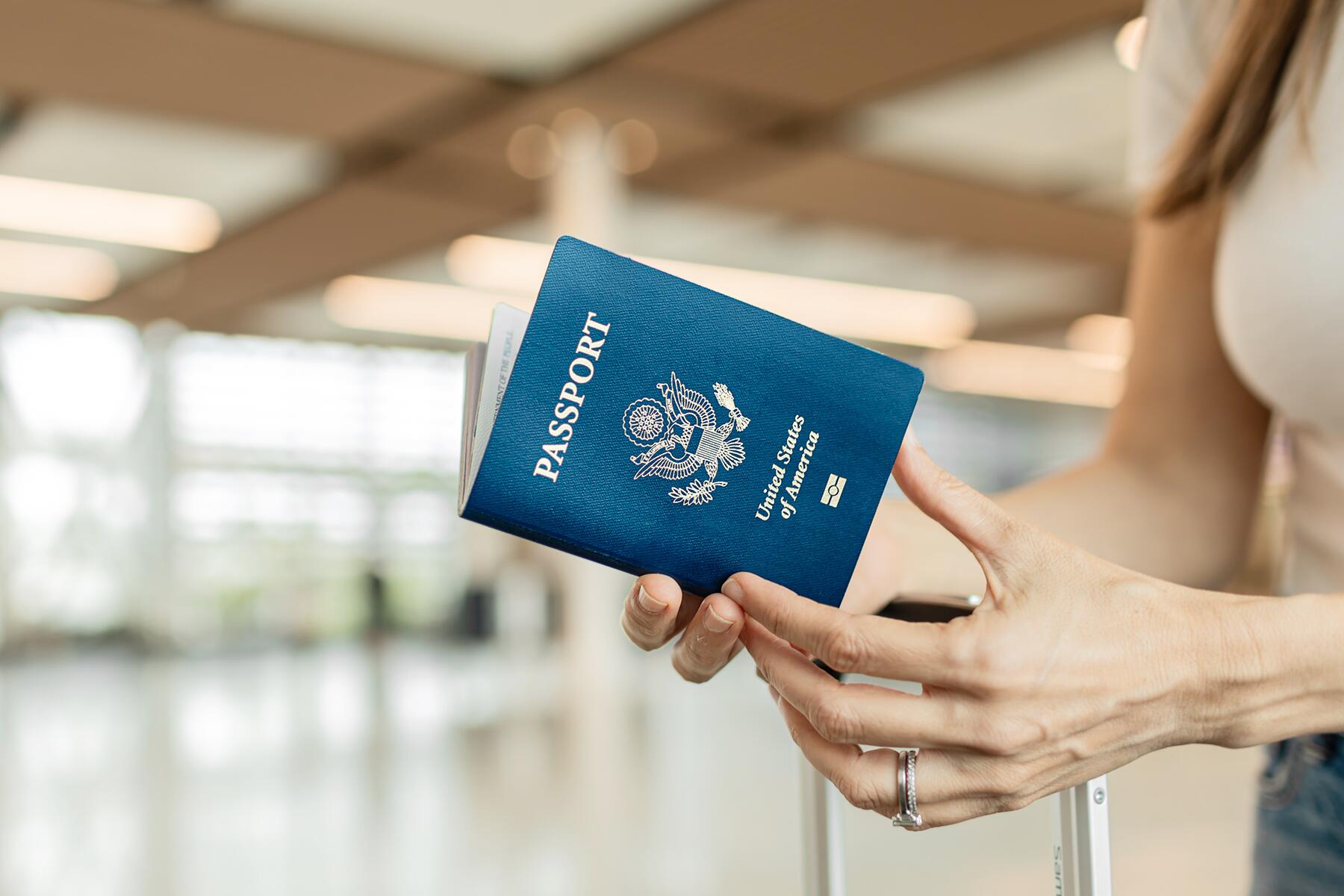

Souvenir passport stamps from places like Machu Picchu and Monaco may seem harmless, but the U.S. State Department warns they can create problems at border crossings.
Passport stamps are quickly becoming a thing of the past in many parts of the world, but the U.S. State Department is warning Americans against adding unofficial stamps or markings to their passports. While consular officials in many countries may overlook novelty stamps, many others consider passports with unofficial stamps to be unacceptable, which will inevitably cause delays at border crossings for passport holders.
The first pages of a U.S. passport include several notices on using the passport. On page five, one of the notices instructs users to only allow authorized immigration or consular officers to place stamps or notes on the blank pages designated for that purpose. Any writing or markings that are not from a consular official can be viewed as fraudulent. They don’t automatically invalidate a passport — only the U.S. State Department has the authority to do that — but they can raise enough questions to cause difficulties for the holder.
In spite of this, novelty stamps for passports are relatively common. Machu Picchu is one such location famous for a novelty stamp, and also for scams involving novelty stamps, such as an expensive drink purchase required to qualify.
Monaco was, for years, another destination offering novelty passport stamps at the tourism office. There are no border controls between Monaco and France, the country with which it shares its only border, but nowadays the tourism office will also give souvenir booklets for the stamp if you don’t have a travel journal or other non-official consular document for them to stamp. For the official Monaco stamp, travelers can visit the principality’s town hall in Monte Carlo.
The Cook Islands are another locale with a novelty stamp — this one commemorating a visit to One Foot Island in the lagoon of Aitutaki. This is similarly not an official stamp, as the country’s main port of entry and only international airport is on the island of Rarotonga. In neighboring French Polynesia, stamps that resemble souvenir passport stamps can be found left out on Air Tahiti ticket counters in small airports, and unwitting passengers have been known to add them to their own passports. These stamps are intended for internal documents like receipts, so adding them to a passport will almost certainly draw suspicion — particularly given that they contain the airline’s corporate logo.
Anybody who’s watched a border control official flip quickly through their passport to find an empty page might easily wonder if anybody notices the stamps at all, but traveler experiences can vary by country, and policies for border crossings are fluid and subject to change. While many countries — particularly in the European Union, where border crossings have largely gone digital and automated — have done away with passport stamps entirely, others are still reliant on more manual processes. That novelty Antarctica stamp might not get noticed on a visit to Amsterdam, but it might draw more attention at a border checkpoint in Zimbabwe.
There are also countries, like Monaco, that will provide official passport stamps on request outside of official border crossings. At the cruise port in Belize City, passengers arriving on cruise ships don’t go through formal border control, but a border control officer is still present at the port to provide an official passport stamp on request.
On some smaller ship cruises — particularly river cruises — staff will collect passports from travelers at the beginning of the voyage and keep them on file to present to border officials during processing checks that don’t require the passenger to be present. It’s possible to get your passport back from a river cruise front desk with a couple of new country stamps inside, and those are also official.
If you’re keen on collecting novelty stamps, the simplest solution is to carry your old, expired passport for that purpose, or to keep a dedicated travel journal instead.