The Canal deserves your time. It’s also where most Panama itineraries end, and that leaves out most of the country. Panama packs two oceans, rainforest, cloud forest, a volcanic crater town, and a modern capital into a country you can cross by road in about an hour at its narrowest.
In my work with travelers, the places people knew least about before arriving are often the ones they talk about afterward. This guide covers where to go once the locks are behind you: the old capital, the mountains, the Caribbean coast, Indigenous communities, and the festivals worth timing a trip around.
Start in the Capital, Then Go Deeper
Casco Antiguo. If I had to pick one place to start understanding Panama, it would be Casco Antiguo, the historic quarter of Panama City. You’ll find cobblestone streets, colonial churches, colorful façades, and lively plazas, along with restaurants, cafés, and rooftop terraces that show the Panama of today.
People live and work here, and local businesses shape the neighborhood. So skip the urge to tick off landmarks. Walk past the busiest streets, stop for a local dish, and talk to whoever is behind the counter. Those small conversations often tell you more about Panama than a checklist does.
Panamá Viejo. About 8 km east of Casco Antiguo are the ruins of the original Panama City, founded in 1519 on the Pacific. Pirates sacked and burned it in 1671, and the city was rebuilt where Casco Antiguo now stands. UNESCO lists the two together as one World Heritage Site, but they tell different chapters of the same story, so give each its own visit.
Eating your way through the city. Look for a fonda, a modest local eatery serving home-style cooking. A typical lunch is rice, beans, meat or fish, and plantains. This is where I’d send you for sancocho, the chicken soup Panamanians love, as well as arroz con pollo and ropa vieja, shredded beef in a savory sauce.
Near Casco Antiguo, the Mercado de Mariscos is the place for ceviche: seafood marinated in lime juice, onion, and seasonings. It tastes best in the tropical heat. If you want the Canal and the city in one day, the Panama Canal and city tour by Live Folks combines the Miraflores Locks, the Amador Causeway, and a seafood lunch stop at this market.
Nature Closer Than You’d Expect
Metropolitan Natural Park. Panama City has rainforest inside its limits. This 230-hectare park has seven marked trails, none of which need a guide, with the skyline behind the trees. Look for squirrel monkeys and the whooping motmot, one of 283 bird species recorded here. Other national parks and rainforest areas are a short drive from the city. Around Gamboa, about 45 minutes away, the Gamboa rainforest and Monkey Island tour takes a small boat along the Chagres River and Gatún Lake, where you watch monkeys and birds from the water, then continues on foot along the Pipeline Road.
El Valle de Antón. With a little more time, head for El Valle de Antón, a mountain town at about 600 m inside the crater of an extinct volcano. It’s often called the largest inhabited volcanic crater in the Americas. Most visitors arrive expecting a quick stop, and many tell us it became the highlight of their trip. Allow roughly 2.5 hours by bus from Albrook terminal.
Spend a Day in the El Valle de Antón Crater
Live Folks runs a full-day small-group trip into El Valle de Antón from Panama City. The tour takes you to the Butterfly Haven, the short trail to El Macho waterfall, the petroglyphs, the hot springs, and the town market, with the ridge of La India Dormida above you.
- About 10 hours, with pickup in Panama City or Playa Bonita and roughly 1 hour 45 minutes on the road each way
- US$205 per adult and US$185 for children 5 to 17 (checked October 2026)
- Certified guide, transport, all entry fees, and bottled water included
- Maximum of 10 travelers; tours in English, Spanish, and French
- Lunch not included; tour runs rain or shine
Check dates and prices for the El Valle de Antón tour →
Taboga Island. Taboga is the easiest Pacific escape, about 30 minutes by boat from the Amador Causeway. Ferries run on a timetable and island boats can be affected by weather, so check the return time before you settle onto the beach.
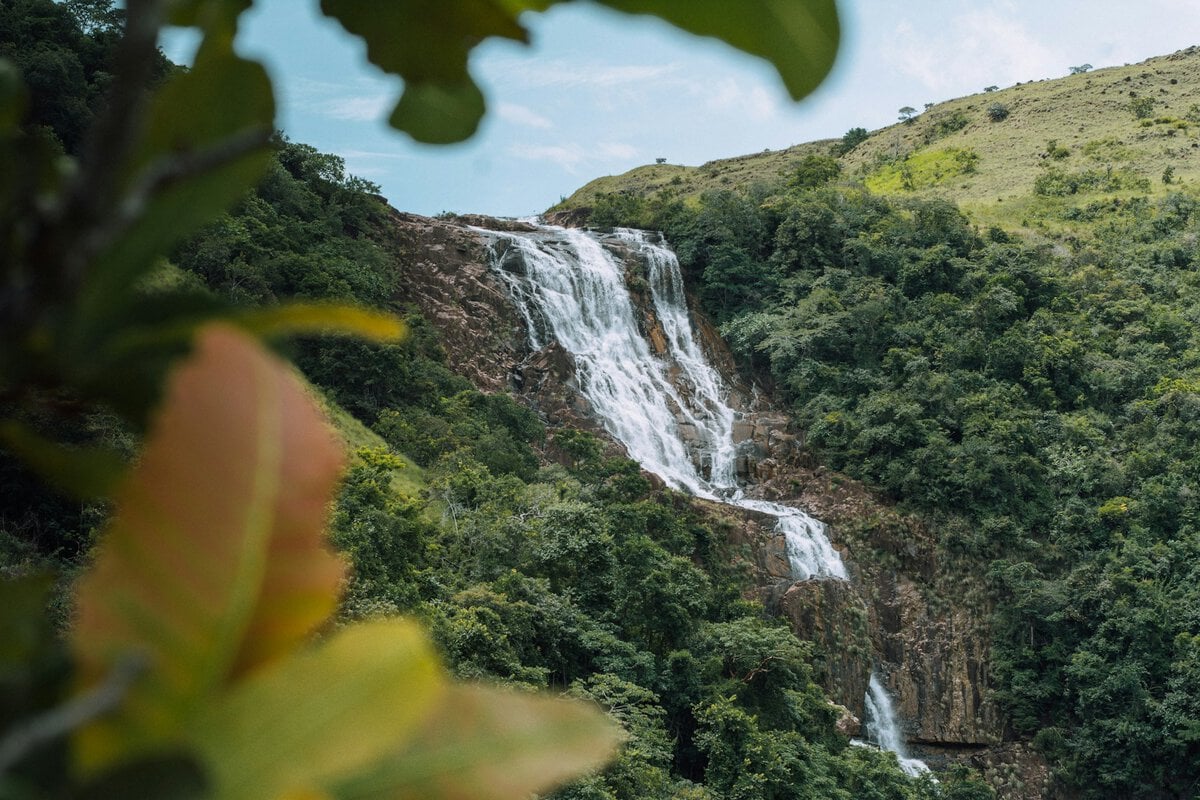
Chiriquí and the highlands. Chiriquí is about an hour’s flight from Panama City to David, followed by a drive up to Boquete. The climate is cooler, and the higher elevations hold cloud forest. Landscapes in Panama change fast, and this is the clearest example.
The Caribbean Side
Colón Province. Colón is where I’d send anyone interested in history. Its coastal communities carry a deep Afro-Caribbean heritage, and this coast is where Congo traditions are strongest. In 2018, UNESCO inscribed the “ritual and festive expressions of the Congo culture” on its list of Intangible Cultural Heritage. They combine music, dance, costume, and theater rooted in the history of Afro-descendant communities who resisted slavery in the colonial period.
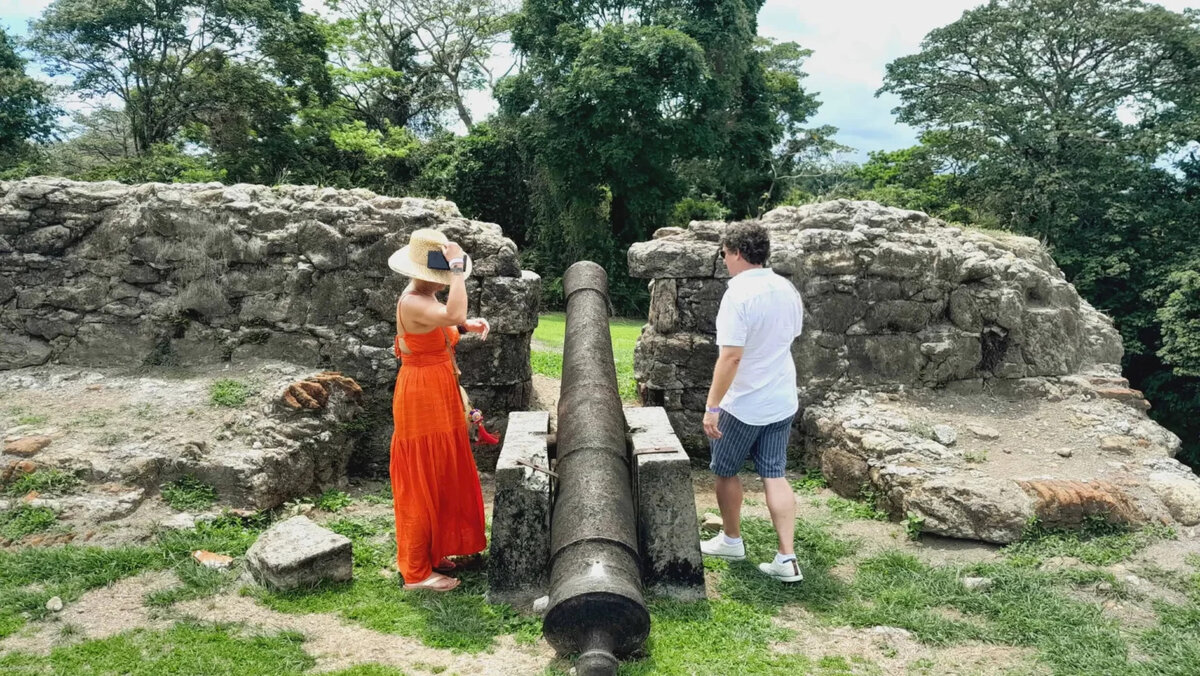
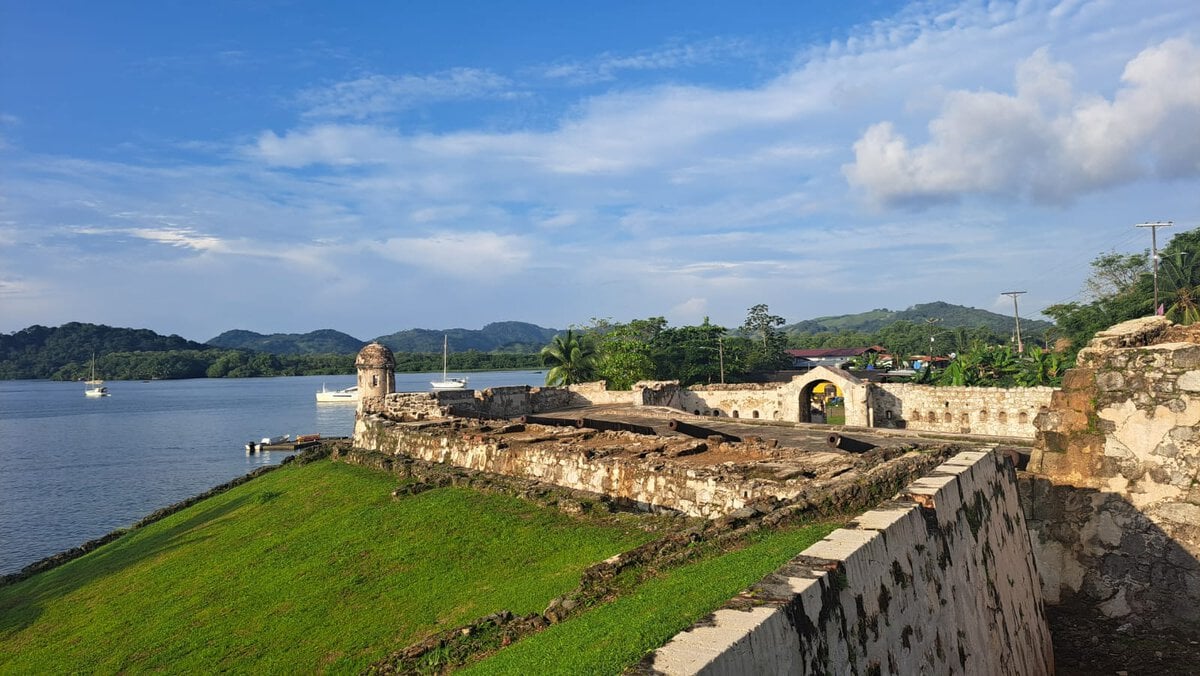
Fort San Lorenzo and Portobelo. These colonial fortifications were part of the Spanish Empire’s defenses along this coast. Seeing them explains Panama’s role in moving people, goods, and silver between continents, a story that long predates the Canal. UNESCO listed them as a World Heritage Site in 1980 and has placed them on its List of World Heritage in Danger since 2012 because of deterioration, so stay on marked paths and treat the walls with care. The Fort San Lorenzo and Portobelo day tour covers both sites from Panama City in one day and starts at the Agua Clara Locks on the Caribbean end of the Canal.
Guna Yala (San Blas). The archipelago has about 365 islands, turquoise water, white sand, and the living culture of the Guna people. The Guna govern the region themselves through the Guna General Congress, and foreign visitors pay a territory entry fee. Arrange your stay through an operator who works with Guna communities. The trip is a road transfer followed by a boat, or a flight from Albrook airport to one of the regional airstrips. For travelers continuing to Colombia, some make the journey by boat between the two countries.