Most people assume a Punta Cana resort means a Punta Cana flight. It doesn’t. Plenty of travelers land in Santo Domingo because the flight is cheaper, better timed, or simply available when Punta Cana’s are full. Then they cross the island in about two and a half hours, almost entirely on toll highway.
Crossing from the capital to Punta Cana is one of the easiest long drives in the Caribbean. This is what the trip is actually like, how long it takes, which way of doing it suits which traveler, and where a stop is worth your time.
The Drive, Mile by Mile
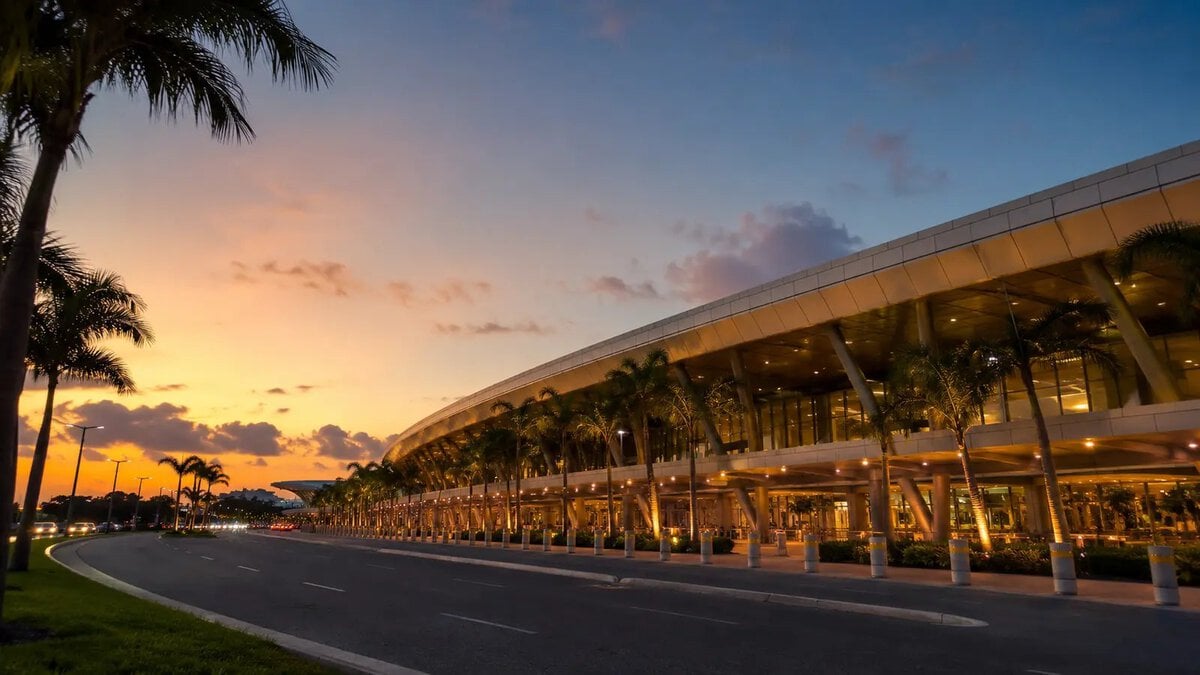
You clear immigration at Las Américas (SDQ), and it’s usually quicker than at Punta Cana. This is a city airport full of Dominican families rather than charter crowds. Outside, the heat and noise hit you at once: horns, families reuniting, taxi drivers calling out.
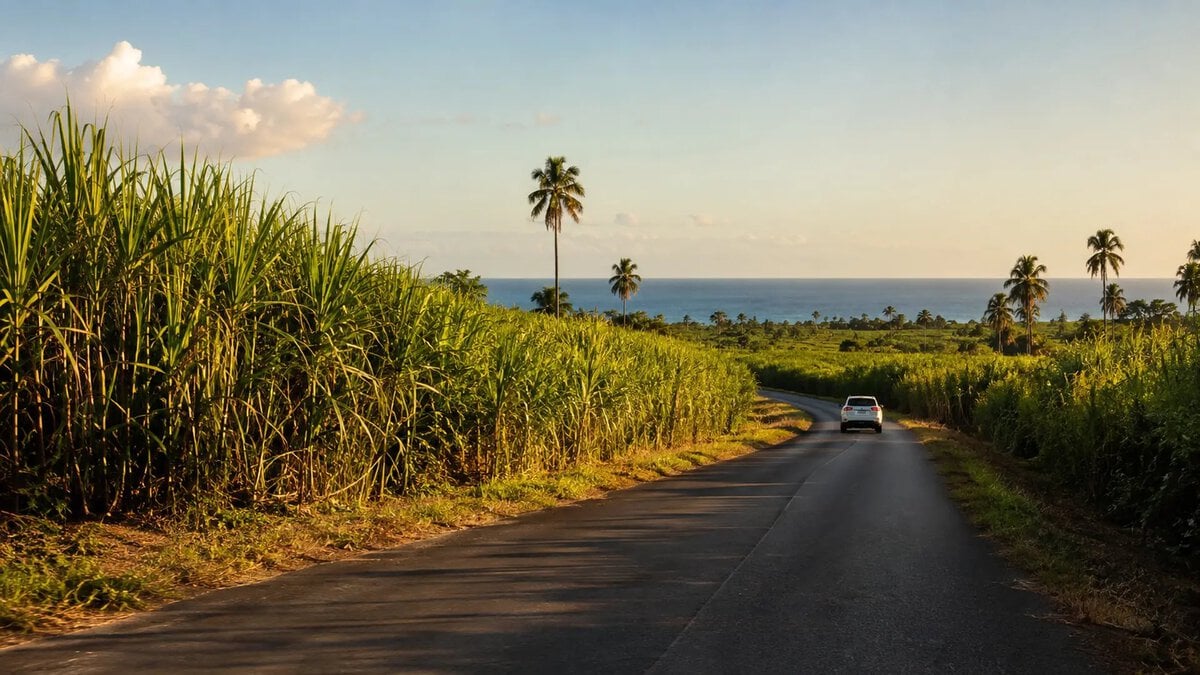
Within minutes you’re on the Autovía del Este heading east. The city thins out into flat country and sugar-cane fields around San Pedro de Macorís and La Romana. Then the Autopista del Coral carries you toward the coast, and finally you roll down the palm-lined boulevards into Cap Cana and Bávaro.
How Long Santo Domingo to Punta Cana Takes
On a Normal Day
The route from SDQ to Cap Cana runs about 2 hours 20 minutes without traffic. Bávaro is a bit further along, so plan on roughly two and a half hours to most of the resort coast. Uvero Alto, at the far north end, is closer to three hours. Treat these as the minimum.
When Traffic Changes It
The variable is the city side. The highway itself rarely changes. Leaving Santo Domingo during weekday rush hours, or on the evening of a long weekend, can add significant time. Mid-morning and early afternoon are the smoothest windows.
Once you’re past the city, the toll highway moves steadily. Most of the delay, when there is one, happens in the first stretch.
Three Ways to Make the Trip
Private Driver
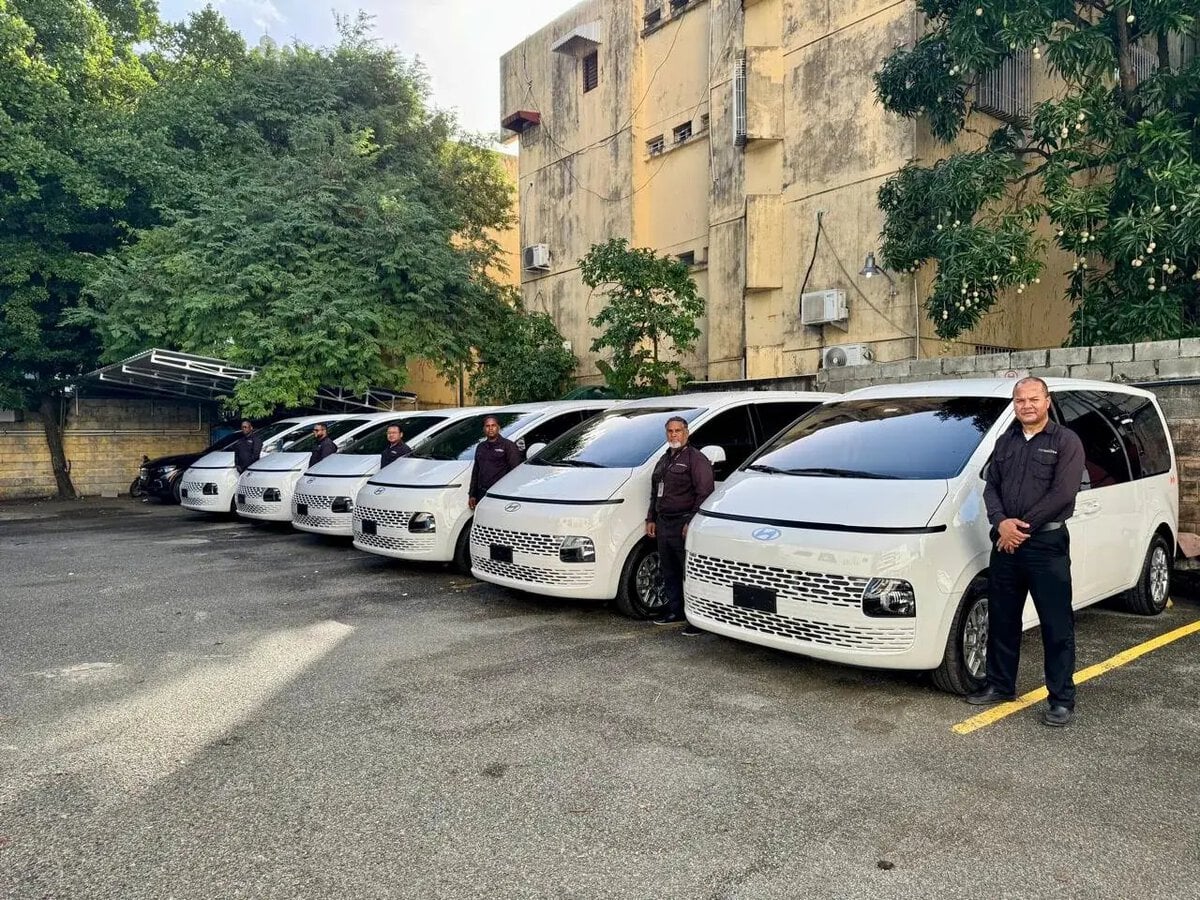
This is the door-to-door option. There are no other hotels on the way, your flight is tracked, the vehicle is matched to your luggage, and you can ask for stops. Tolls are included. For families, late arrivals, and anyone who doesn’t want to think after a long flight, it’s the least effort.
Transekur runs this route as a private transfer. Vehicles range from a small SUV for two up to a Sprinter for 16, sized to your luggage. The price is a fixed quote confirmed before you pay, and includes flight tracking, up to two hours of free waiting after landing, cold water, soft drinks, Wi-Fi, and USB charging on board.
Coach
Expreso Bávaro runs scheduled buses between Santo Domingo and Bávaro. It’s cheap and comfortable. The catch is logistics: it leaves from a city terminal, so you need a taxi to get there first. At the other end you need onward transport from the Bávaro stop to your hotel.
That suits a light-packing traveler with time to spare. With big bags or tired children, the two extra connections add up.
Rental Car
It’s doable, since the highway itself is simple. But you’re navigating Santo Domingo traffic straight off a flight, and leaving the airport is the hardest part of the whole drive. If you go this way, build in a buffer and read the next section first.
The Road for a First-Time Driver
The drive is not rough or risky. It’s a modern, well-marked toll highway with security posts along the way.
What surprises first-timers is the driving culture, mostly in town and in villages:
- Motorbike taxis (motoconchos) weave between cars.
- Lane discipline is loose inside the city.
- Speed bumps (policías acostados) appear without warning as you pass through villages.
If you’re driving yourself for the first time, do it in daylight. The capital has a very different rhythm from the resort coast: busy, loud, local. Expect it.
One more point on apps. Ride-hailing works in Santo Domingo, but ground transport around Punta Cana is run by local unions, so don’t count on an app for the Punta Cana end of your trip.
Arriving With Luggage or Small Children
Think about the vehicle before you land. A family with full luggage needs a minivan or full-size SUV, so tell your driver the real bag count when you book.
Child seats need arranging in advance. Taxis rarely have them, and this is a long drive.
A family with two small children once landed at SDQ late in the evening after Punta Cana flights had been full. The parents were nervous about a two-and-a-half-hour night drive after traveling all day. With child seats already fitted, the kids were asleep before the first toll booth while the parents sat with a cold drink and the Wi-Fi on. They walked into their Bávaro lobby around midnight and said it was the calmest part of the trip.
Where a Stop Is Worth It
Santo Domingo’s Colonial Zone
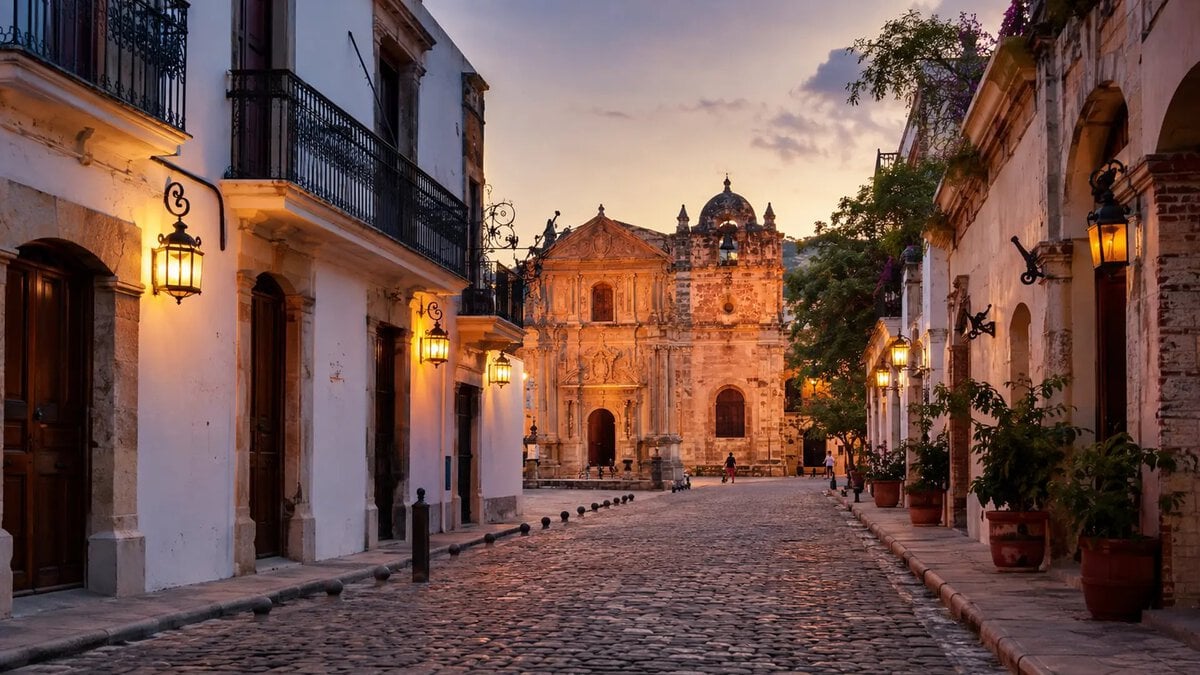
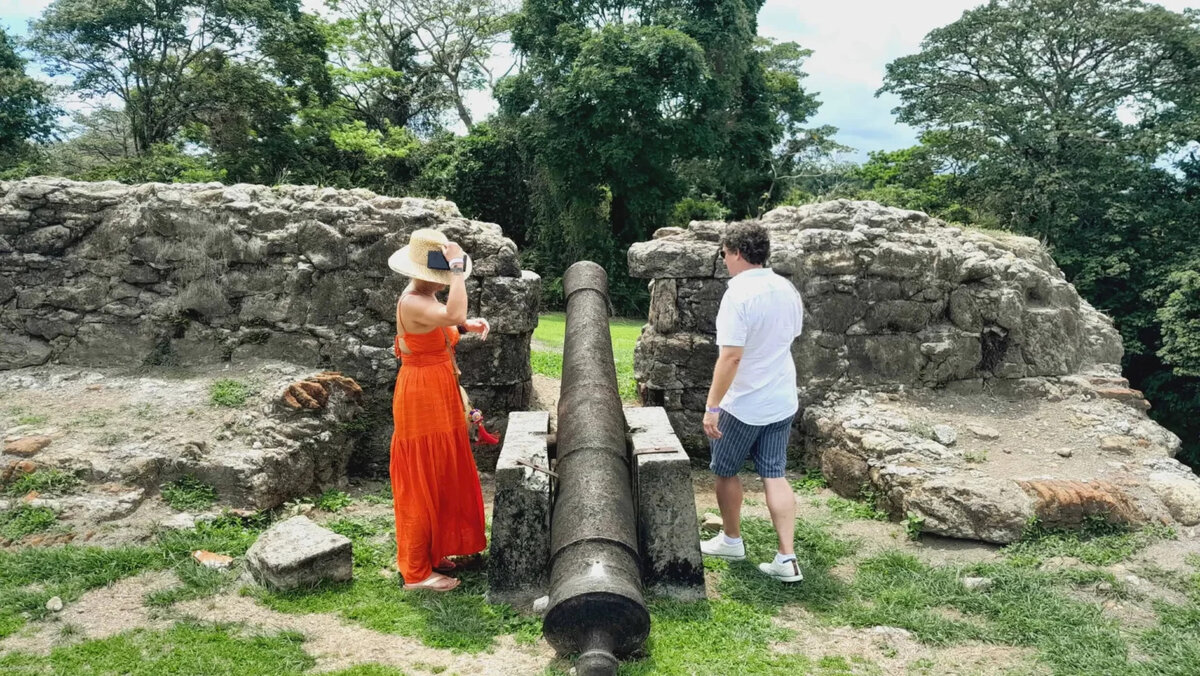
If you have a few hours before heading east, spend them here. Santo Domingo is the oldest European city in the Americas, and the Colonial Zone contains the first cathedral, hospital, and university built in the Americas. Keep in mind that it sits about 40 minutes west of the airport — the opposite direction from Punta Cana — so the detour adds roughly an hour and a half of driving. It works best as a proper half day before you head east.
La Romana and Bayahibe
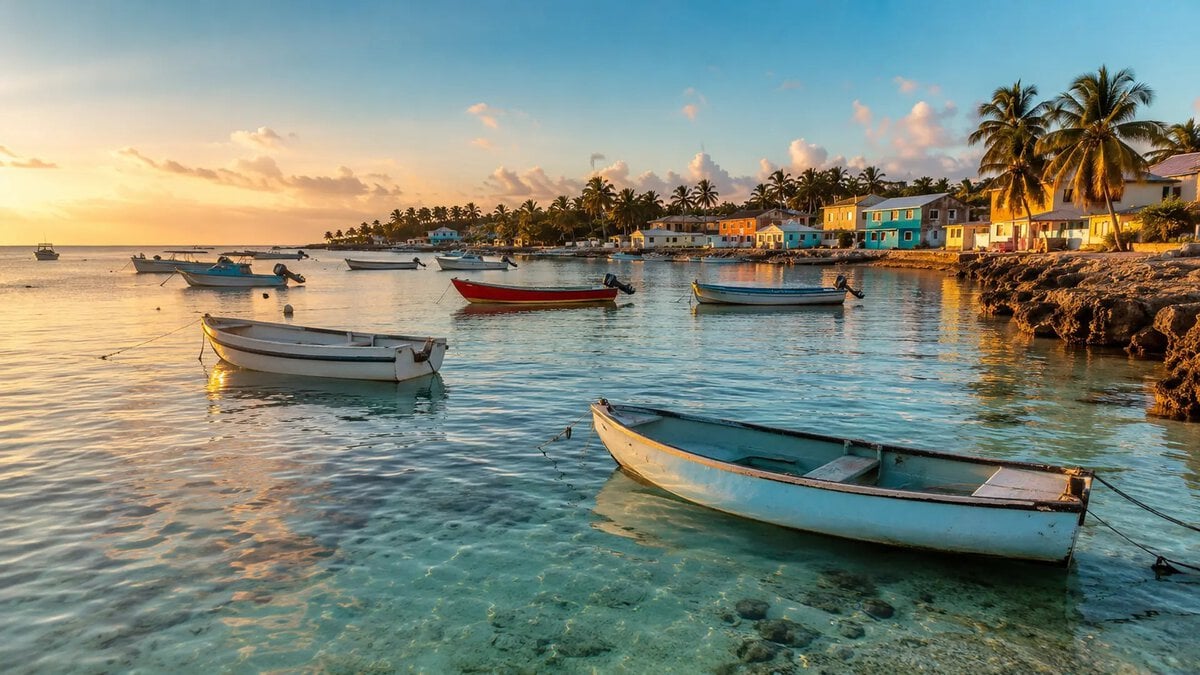
These sit roughly halfway, which makes them a natural place to break the journey. Stop for a meal, or for a look at the Caribbean side of the island.
Locals almost never do this drive without stopping to eat. Two places come up again and again:
- A long-established Lebanese restaurant right on the highway. Good for a proper sit-down meal.
- A traditional Dominican place near the La Romana airport turn-off. The better choice if you want your first meal to taste like the country.
A good driver will know which one is open when you arrive — worth asking before you set off.