Most people arrive in Kota Kinabalu with a list: beaches, wildlife, culture. They want to tick every box before their flight home. What they often miss is the version of Sabah that exists between those boxes — the river silence, the local smiles, the moment a proboscis monkey appears in the trees and the whole boat goes still.
A Kota Kinabalu day trip puts all of it within reach: islands, rainforest, river life, coastal scenery, and local culture, without demanding that you move fast. The city itself is just the starting point. What unfolds after is something closer to Borneo at its own pace.
How the Day Actually Begins
Pickup from a designated point keeps things easy. The van pulls away and Kota Kinabalu’s streets gradually open into coastal roads, green hills, and glimpses of village life. The shift is gradual, and by the time you’re deep into the landscape, you’ve already started to exhale.
Your guide grew up around Kota Kinabalu. They know the rivers, the villages, and the island areas not as a script but as a place they’ve spent their life in. They share stories in that easy, unhurried way that only comes from genuine familiarity with a place. You’re not being lectured. You’re just listening.
The River Cruise and What It Does to People
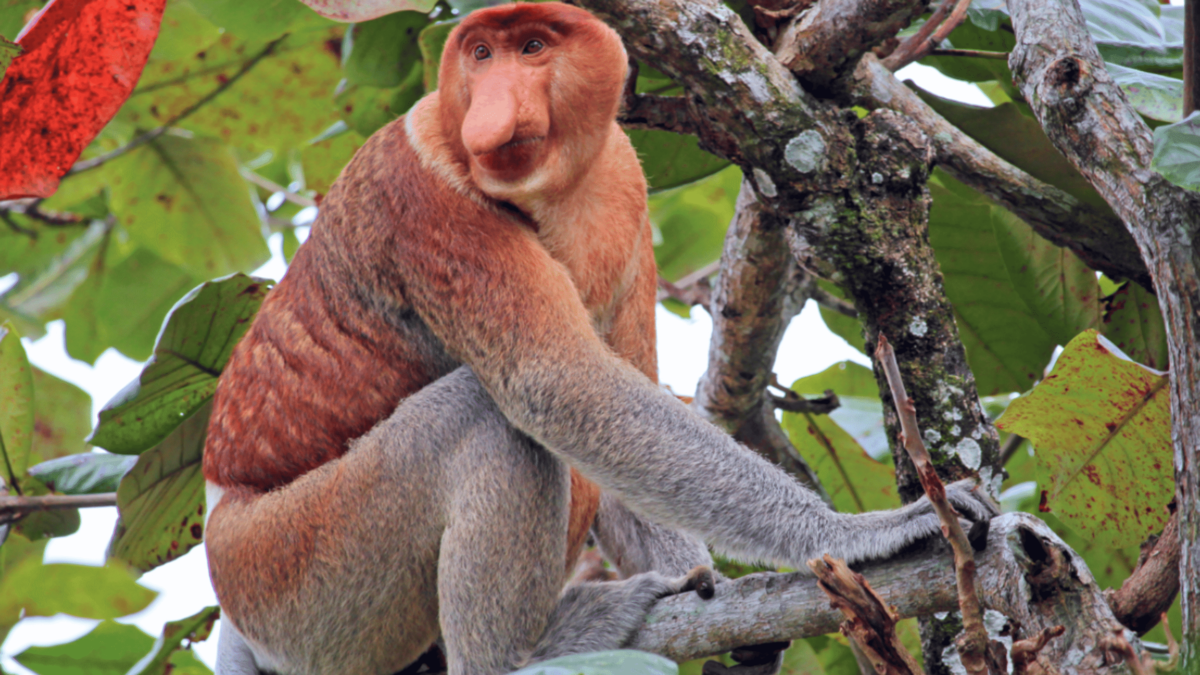
One guest started the day quietly — camera up, watching everything from a slight distance. Then, during the river cruise, a proboscis monkey appeared in the trees above the water. The whole boat went silent. No one called it out or reached for their phone. They just watched. When the guest lowered their camera, they were smiling in the way people do when they realize they’re seeing something real.
That moment happens more often than you’d expect. It’s not staged. It can’t be.
What You’re Likely to See on the River
Proboscis monkeys are the encounter most guests remember, but the river offers more than one kind of stillness. Birds move through the trees. Light shifts across the water. In some stretches, the only sounds are the boat engine dropping to idle, the soft current, and whatever is living in the canopy above you.
Sabahans have a word — Aramaiti — used as a call for togetherness and celebration. On the river, you understand why that spirit exists. Borneo’s nature has a way of pulling strangers into the same silence, the same attention, the same small moment of collective wonder.

Culture, Villages, and the Slower Side of Sabah
Most travel writing treats Sabah as a checklist: beach, orangutan, mountain. What that misses is the texture of the place — the local streets you pass through, the cultural stops along the way, the ordinary details of river and village life that don’t photograph dramatically but stay with you longer than any landmark.
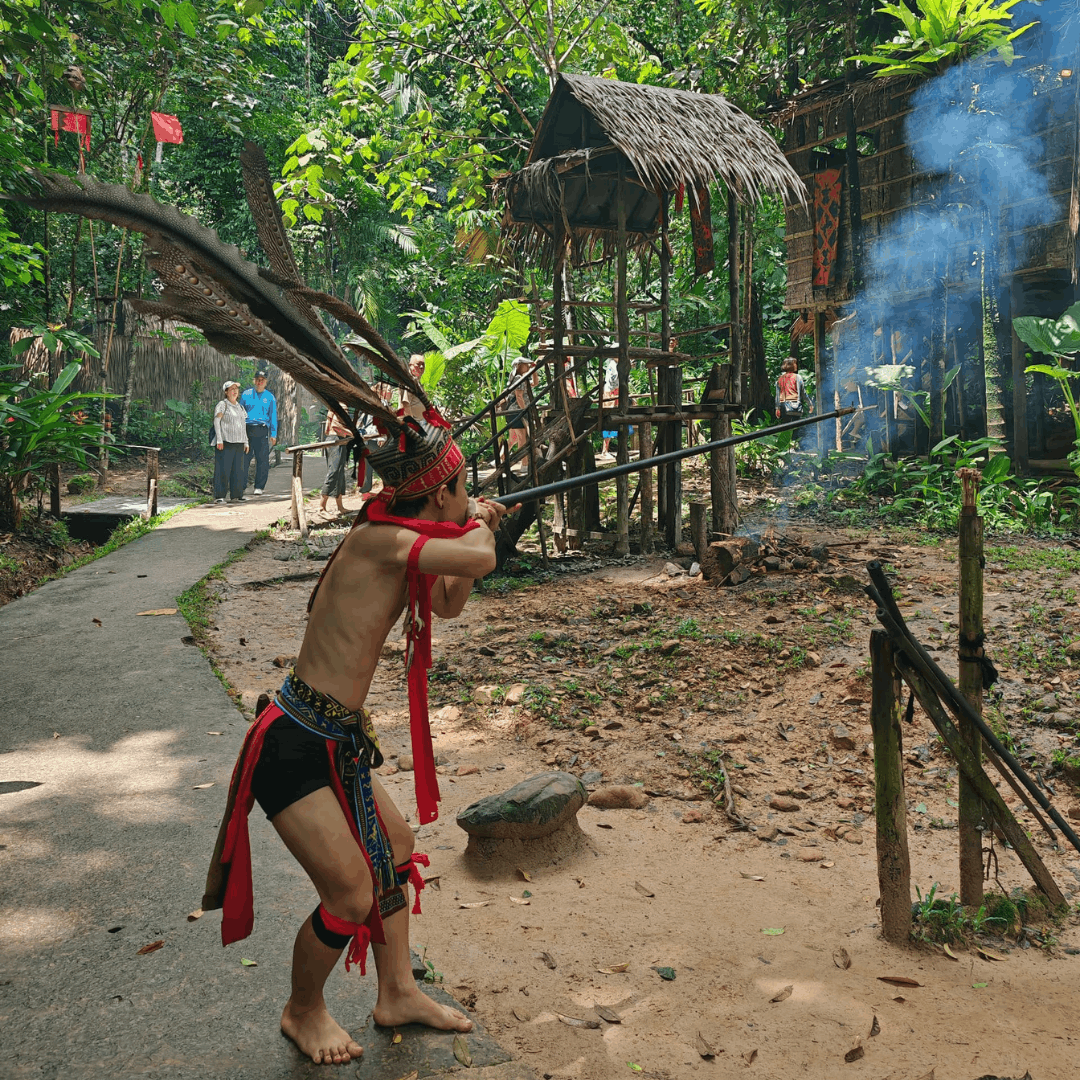
The route takes in cultural villages, including stops like Mari Mari Cultural Village, and river communities along the way. Your guide fills in the context: what a place means to the people who live there, how daily life moves, what you might not think to ask. This is where the trip earns its depth — closer to being introduced to a place by someone who genuinely loves it than to following a checklist tour.
The Islands and the Coast
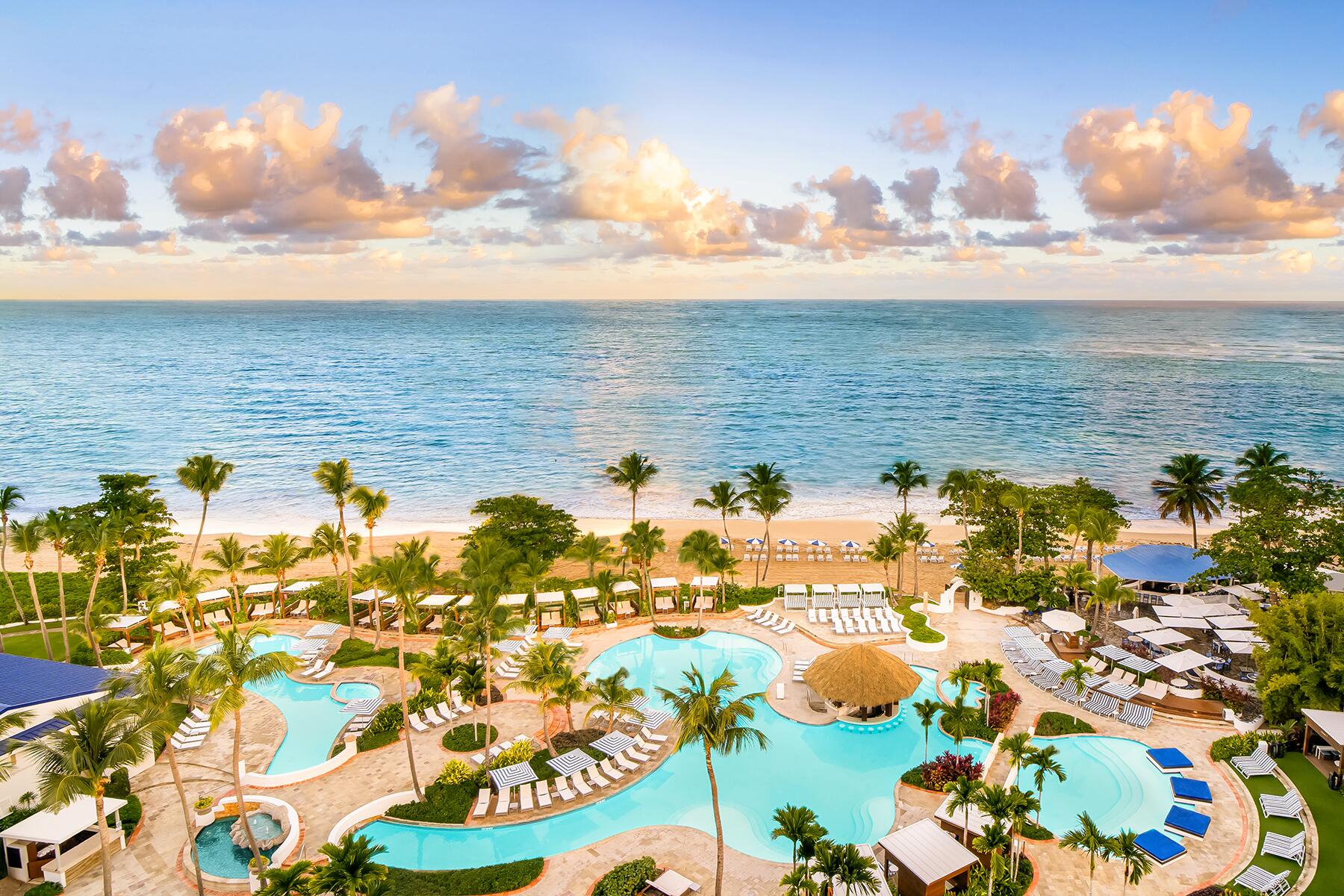
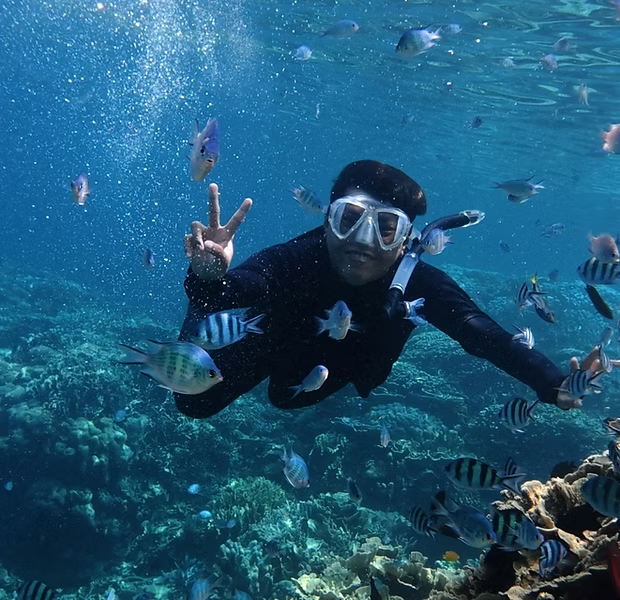
Near the coast, the air changes. Salt and sea come in through the windows, and the views open up across the water toward islands like Sapi, where snorkeling draws its own crowd of day-trippers. Whether you get closer to the islands by boat or simply take them in from the shore depends on the day’s itinerary, but the sea is always present — a reminder that Sabah sits at the edge of the Sulu and South China Seas, with some of the richest marine waters in the region just offshore.
This coastal stretch tends to be where people get quiet for a different reason than the river. The open sky, the water in every direction, the green hills behind you: the scale of it has a way of making the rest of the world feel very far away.
Food, Smells, and Small Sensory Details
Travel writing tends to skip over the parts that actually embed a place in memory: the smell of rain in the rainforest just before it falls, the warmth of local food with its light spices and familiar heat, the fresh air near the coast that carries a faint edge of salt.
The food along the way is simple and Malaysian. Don’t expect a formal dining moment. Expect the kind of food that locals actually eat, served without ceremony, which is usually the better version anyway.
The weather runs warm and humid throughout, as you’d expect from tropical Borneo. Coastal stretches offer sea breezes, shaded river areas cool things down, and a short rain shower, if one comes, tends to leave everything smelling clean and green.
What the Trip Is Really For
The guests who get the most from a Kota Kinabalu day trip are not the ones chasing a species list or racing between landmarks — they’re the ones who let the day move at Borneo’s own pace, stay present on the river, eat what’s in front of them, and come back to the city having seen something they didn’t expect to see and felt somewhere they didn’t expect to feel.
Practical Information
- Pickup: From a designated point in Kota Kinabalu
- Inclusions: River cruise, cultural village stops, coastal scenery, local food, guide
- Key stops: Proboscis monkey river cruise, Mari Mari Cultural Village, coastal areas near Sapi Island
- Snorkeling: Available depending on itinerary; bookable separately
- Climate: Warm and humid year-round; coastal breezes and shaded river sections help
What to Bring
- Light, breathable clothing
- Sun protection (hat, sunscreen)
- Insect repellent
- Camera or phone for wildlife
- Small dry bag if snorkeling is on the itinerary
- Cash for any additional purchases at village stops
Frequently Asked Questions
How physically demanding are day trips from Kota Kinabalu?
Most itineraries are low-impact. The river cruise is seated, village stops involve light walking, and coastal sections are generally accessible. No significant hiking or strenuous activity is required unless you opt into additional add-ons.
What wildlife can you realistically see on a day trip near Kota Kinabalu?
Proboscis monkeys are the most commonly spotted highlight on river sections. Birds are frequently seen along the water. Sightings are never guaranteed — wildlife is wild — but proboscis monkeys in particular are reliably present in riverine forest areas near Kota Kinabalu.
Is local food part of a typical Kota Kinabalu day trip, and can dietary restrictions be accommodated?
Local Malaysian food is typically included or available along the route. If you have dietary restrictions, it’s worth flagging them when booking so the operator can advise on what’s available at each stop.
Are day trips around Kota Kinabalu suitable for kids?
Yes, in general. The river cruise and cultural village stops tend to engage children well. Snorkeling sections may depend on age and swimming ability. Check with your operator about any minimum age requirements for specific activities.
Is it better to book a combined day trip or arrange rainforest, river, and island visits separately?
A combined day trip is more cost-effective and logistically simpler for most travelers. Arranging visits separately gives more flexibility and depth at each location but requires more planning, additional transport costs, and a longer stay.
Is a Kota Kinabalu day trip worth it if you’ve already visited Sabah before?
It depends on what you did previously. If past visits focused on Mount Kinabalu or Sepilok, a day trip centered on the rivers, coastal islands, and cultural villages covers different ground entirely and can still offer genuinely new experiences.