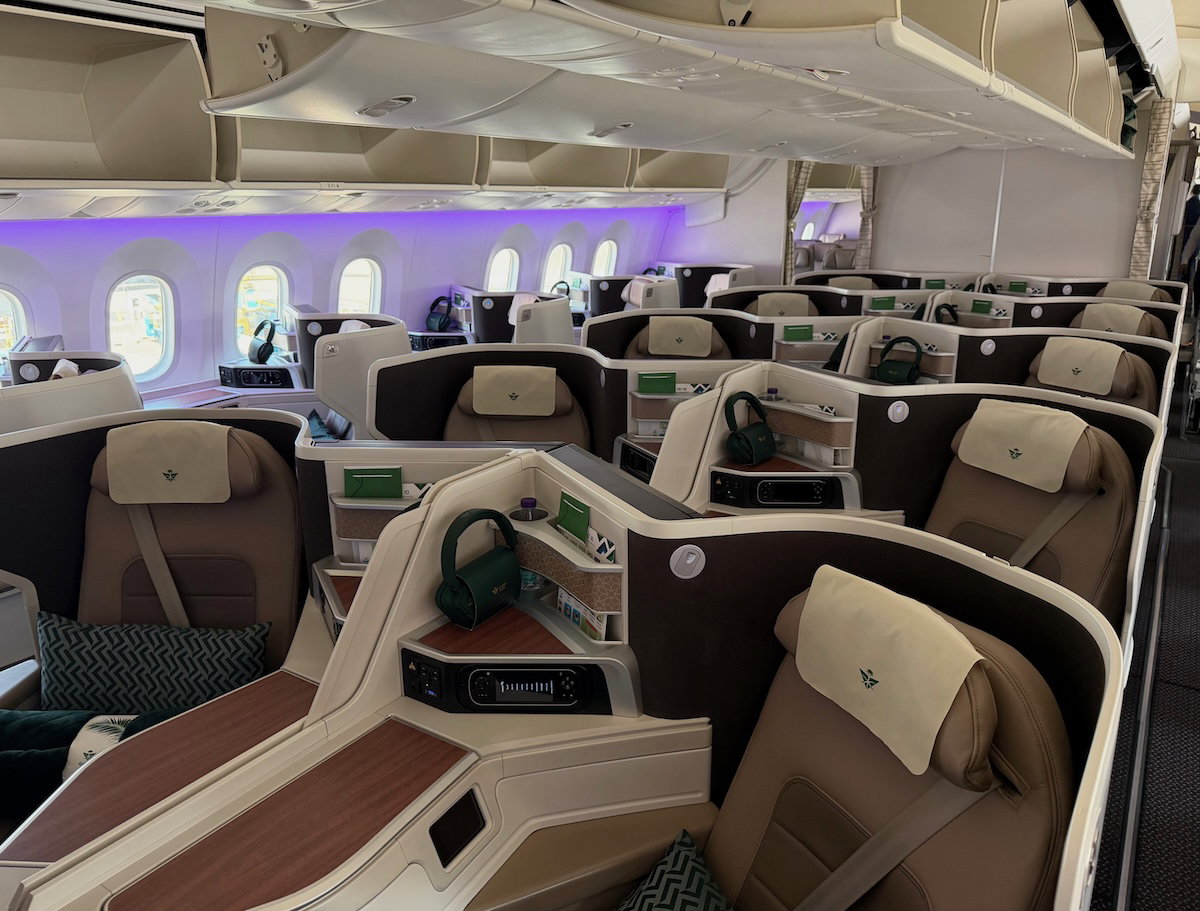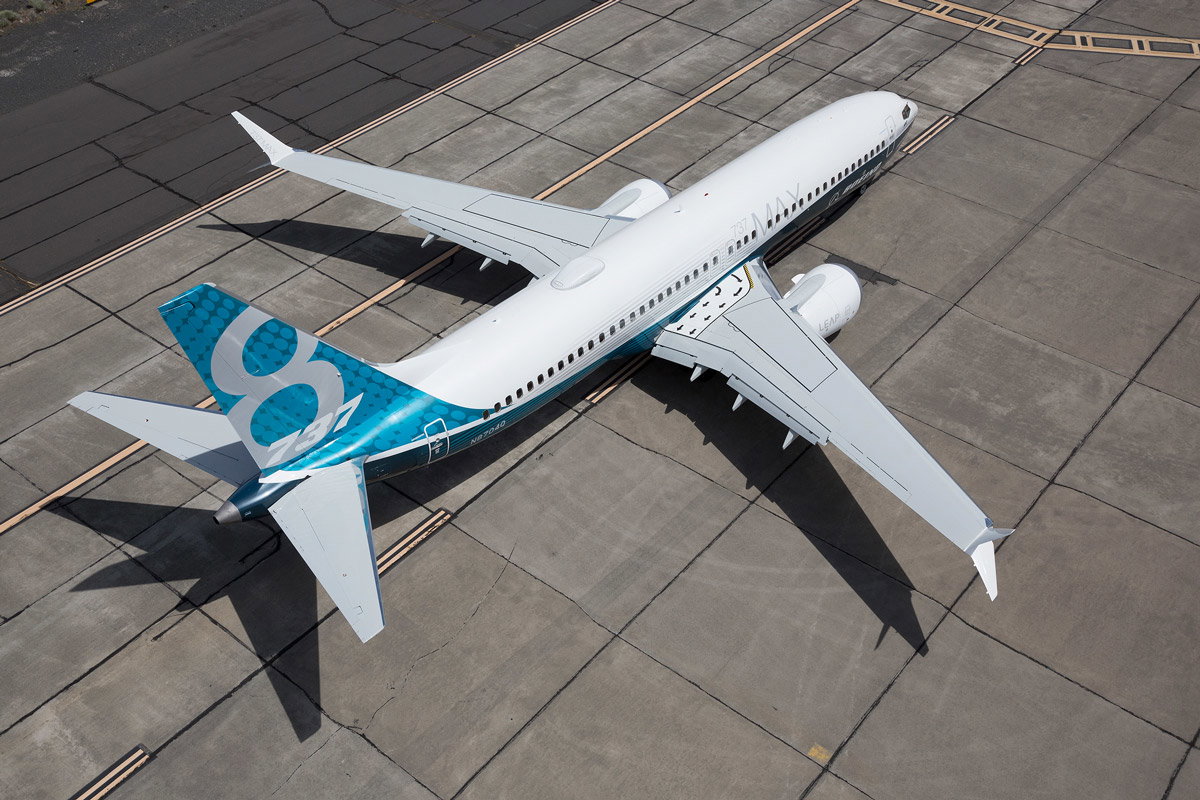
The Federal Aviation Administration (FAA) is once again letting Boeing issue airworthiness certificates for new 737 MAXs and 787s, years after that authority was revoked due to production quality issues. This is good news from an efficiency standpoint, but the question remains whether Boeing can be trusted.
FAA Allows Boeing to Issue Airworthiness Certificates Again
Effective immediately, the FAA is once again allowing Boeing to issue its own airworthiness certificates for new 737 MAX and 787 aircraft. This is a major development for Boeing, as the aerospace giant had these privileges revoked in 2019 for the 737 MAX, and in 2022 for the 787.
For some background, Boeing has been under intense regulatory scrutiny in recent years, and for good reason. First there were the two fatal 737 MAX crashes in 2018 and 2019 (Lion Air and Ethiopian Airlines), followed by additional quality control issues with both the 737 MAX and 787.
As part of the increased oversight, Boeing’s ability to self-certify the airworthiness of new aircraft was taken away. In other words, Boeing couldn’t simply declare its planes safe — it had to prove it to regulators before they would sign off.
The concept of self-certifying planes is made possible through the FAA’s Organization Designation Authorization (ODA) program, which allows authorized organizations to perform certification functions on behalf of the FAA, such as issuing airworthiness and production certifications for aircraft. The FAA is now once again delegating this authority to Boeing, meaning Boeing can determine whether an aircraft is safe to operate.
Getting to this point has been a gradual process. As of late September 2025, the FAA began allowing Boeing to issue its own airworthiness certificates, but only on alternating weeks. The intent was to compare production quality between planes certified by Boeing directly versus those certified by the FAA. The FAA reported no difference in quality between the two.
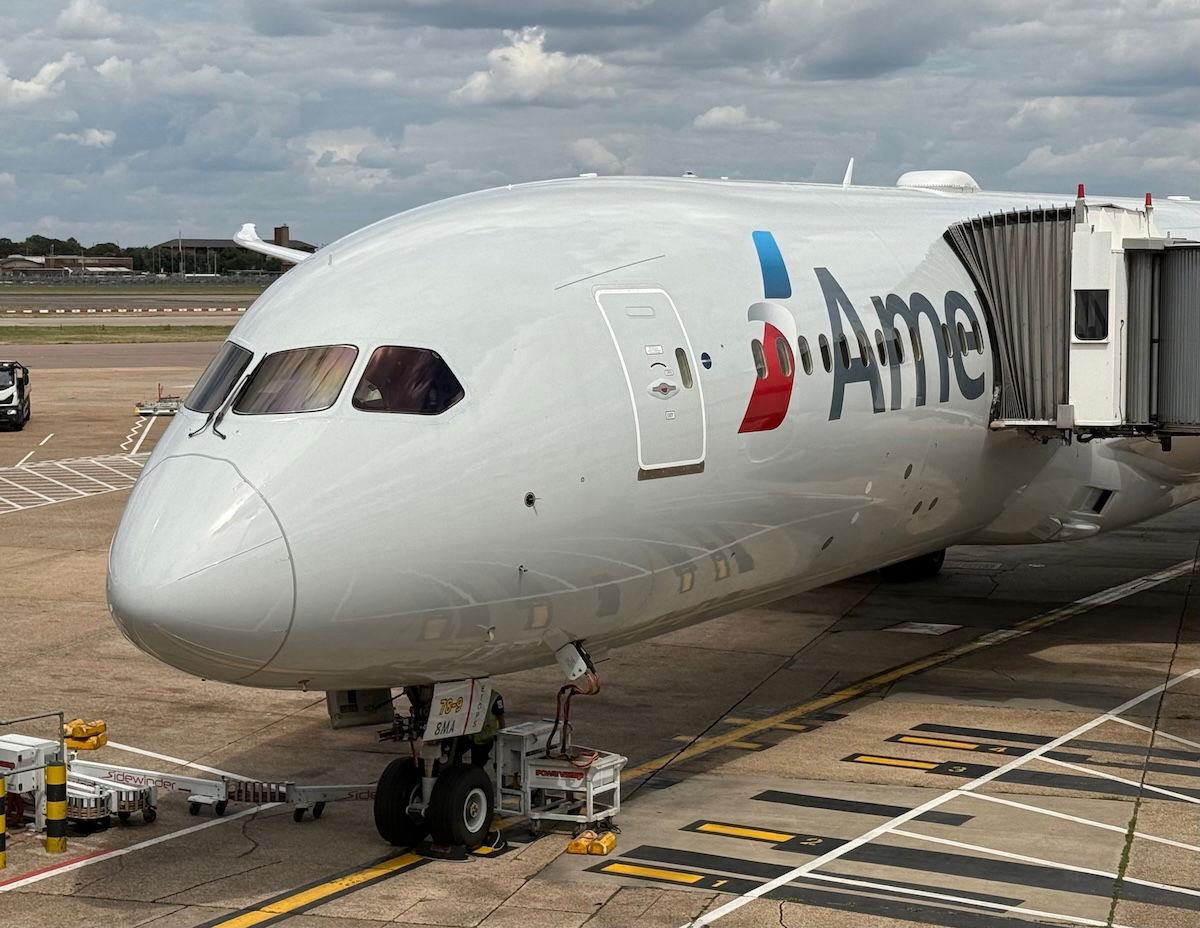 Boeing can again issue its own airworthiness certificates
The FAA Claims Confidence in Boeing’s Quality
The FAA states that safety drives all of its decisions, and that this step is only being taken because the agency is confident it can be done safely. The decision follows a thorough review of Boeing’s ongoing production quality and will reportedly allow FAA inspectors to redirect focus toward other areas of the production process.
For example, there will be more FAA inspectors observing critical assembly stages, examining trends, ensuring Boeing mechanics are performing work to approved type design and engineering requirements, and assessing Boeing’s continuous improvement of its Safety Management System (SMS). Inspectors will also observe Boeing’s safety culture to ensure that employees can report safety issues without fear of retribution.
Here’s what FAA Administrator Bryan Bedford had to say about the development:
“Safety drives everything we do, and this step forward is only possible because we are confident it can be done safely. Our inspectors will continue rigorous oversight of Boeing’s production while focusing more of their time where it has the greatest impact—identifying and addressing potential risks earlier in the manufacturing process.”
Opinions on this development are likely to be mixed, with some viewing it as a reflection of the current administration’s anti-regulation stance. Regardless, this is positive news in terms of Boeing’s ability to deliver planes more efficiently, which has been a significant challenge for the company in recent years.
Whether Boeing can be trusted to self-certify planes given its track record is a fair question. No for-profit, publicly traded company can be unconditionally trusted, but there are indications that Boeing’s top executives now have a genuine mandate to prioritize quality and long-term sustainability over short-term profits, suggesting that meaningful progress has been made.
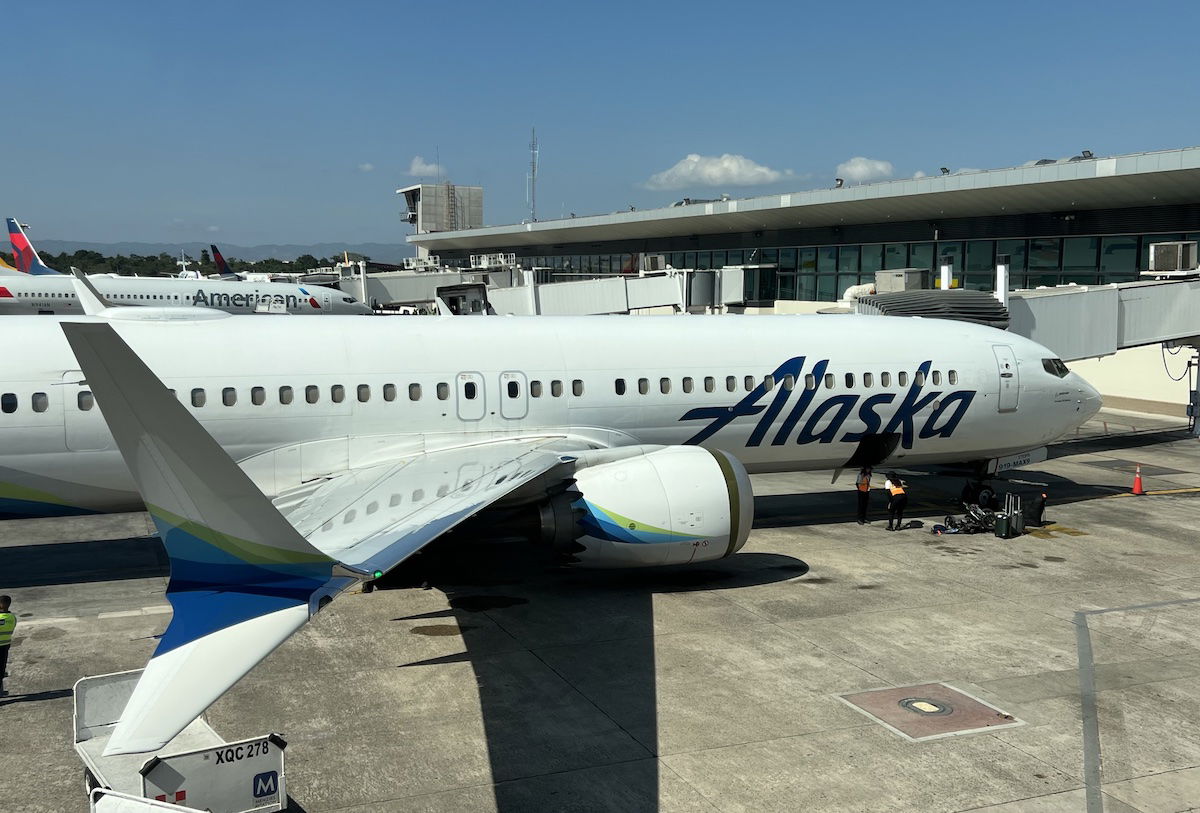 Let’s hope this all works out well for air travelers
Bottom Line
Boeing has regained the ability to consistently issue airworthiness certificates for new planes — privileges that were revoked in 2019 for the 737 MAX and in 2022 for the 787. After a trial period in late 2025 during which Boeing could issue certificates only on alternating weeks, the FAA has now granted full, consistent authority. The FAA says it is confident in Boeing’s quality improvements and that its resources are better deployed overseeing other aspects of production. If Boeing continues on this trajectory, it should translate to faster aircraft deliveries — a welcome development for airlines and travelers alike.
What do you make of Boeing regaining the ability to self-certify its aircraft?