
Skip the passport and discover 10 spectacular U.S. islands, from Alaska and Puerto Rico to California and the Northern Mariana Islands.
Wanting to skip the hassle of international travel this summer? Worried about the new EES system in Europe, or don’t want to brave a long intercontinental flight, but still want an international-feeling escape from the everyday? We’ve curated a list of islands that you won’t need to dig out your passport for. We’ve got islands both tropical and temperate, forested and sand-castled, from Florida to Alaska—and even Asia (yes, Asia!).
We’ve also focused our list on islands that aren’t obvious, overcrowded, or overpriced, so getaways to them will be secluded, serene, and affordable for most budgets.
1. Catalina Island
Where: California
Catalina was already an attractive resort colony in the 1920s when Al Jolson crooned about a vacation romance in the town of Avalon. Today, the trappings of the era remain, from the famous circular oceanfront casino, where visitors can roller skate in the Art Deco Wrigley Ballroom, or ride horses along the mountainous island’s winding trails to scenic overlooks. The island has largely maintained the character it had during Hollywood’s Silent Film era, so if you’re looking for throwback vibes and a positively Mediterranean atmosphere, this is the place.
Getting There: The Catalina Express runs ferry trips from Long Beach, San Pedro, and Dana Point daily. There are also helicopter flights from Santa Monica and Long Beach.
Lodging: The recently renovated Pavilion Hotel or the rooms with a view at Avalon Hotel.
INSIDER TIP: For getting around Avalon quickly, the city has a new all-electric fleet of shuttles offering on-demand point-to-point rides seven days a week with fares starting at $2.
2. Baranof Island
Where: Alaska
Also known in Tlingít as Sheet’-ká X’áat’l, Baranof Island is home to the city of Sitka—one of the most picturesque towns in Alaska, with totem poles and a historic Russian Orthodox church nestled between the spruce-blanketed mountains and the open ocean. Sitka was the capital of Russian Alaska until its 1867 sale to the United States, and remained the primary city until the capital moved to Juneau in 1906. Today, shops sell Russian and Tlingít crafts and souvenirs, and you can even get a steaming hot bowl of Russian pelmeni dumplings to refuel after hiking through the temperate rainforest.
Getting There: Alaska Airlines offers daily jet service into Sitka’s Rocky Gutierrez Airport.
Lodging: Southeast Resort or Aspen Suites.
INSIDER TIP: Car rentals here are expensive, and generally unnecessary for short stays. Rideshares and taxis are a good way to get around outside of the very walkable downtown, to spots like The Raptor Center, Fortress of the Bear, or the Sitka Sound Cruise Terminal, where all the attractions—such as the Alaska Odyssey Dome—shopping, and dining are open to non-cruise passengers.
3. Lopez Island
Where: Washington State
Lopez Island is the third-largest of Washington’s San Juan Islands and arguably the most laid-back. Known locally as “Slowpez,” the island attracts cyclists who come to pedal its relatively flat roads past organic farms, lavender fields, and sweeping water views. The island has a small but charming village center with local restaurants, a handful of galleries, and a beloved farmers market. Wildlife sightings—bald eagles, harbor seals, and the occasional orca pod—are common, making it a rewarding destination for nature lovers on a budget.
Getting There: Washington State Ferries run from Anacortes to Lopez Island. Seaplane service is also available from Seattle.
Lodging: The Inn at Swifts Bay offers comfortable rooms in a quiet setting, while camping is available at Spencer Spit State Park for those traveling on the tightest budgets.
INSIDER TIP: Bring or rent a bicycle—it’s the best and most affordable way to explore the island, and most attractions are reachable on two wheels.
4. Anna Maria Island
Where: Florida
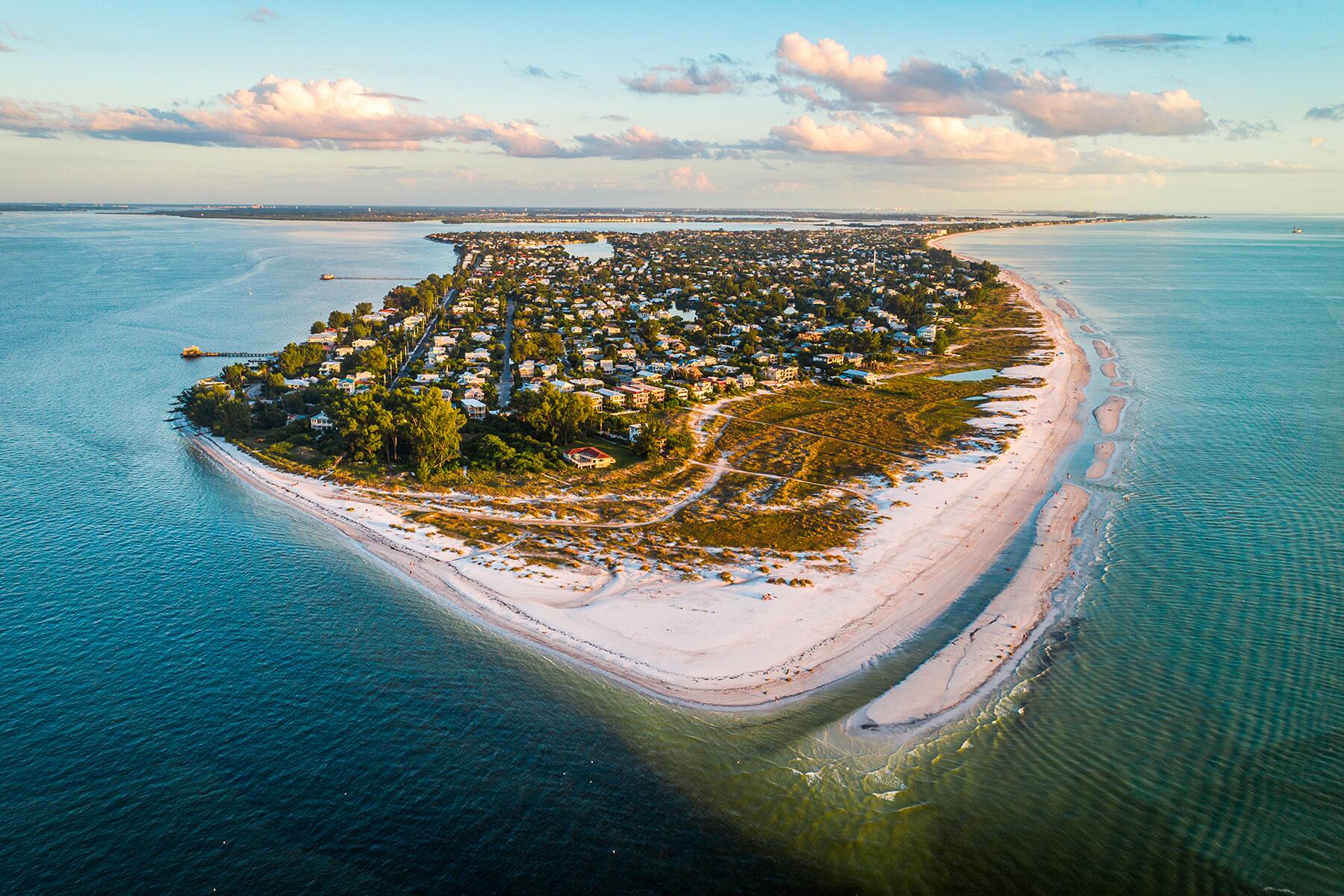
A welcome contrast to the high-rises and tourist crush of nearby Clearwater and St. Pete Beach, Anna Maria Island is a seven-mile-long barrier island on Florida’s Gulf Coast that has managed to preserve its Old Florida charm. Building height restrictions keep the skyline low, and the streets are lined with pastel-painted beach cottages rather than resort towers. The beaches here—particularly Bean Point at the island’s northern tip—are consistently ranked among Florida’s best, with powdery white sand and calm, shallow water ideal for families.
Getting There: Anna Maria Island is accessible by car via the Manatee Avenue Bridge or the Cortez Bridge from the mainland. No tolls apply.
Lodging: Vacation rental cottages are the most popular and often most cost-effective option; the island has relatively few large hotels by design. Look for rentals in the City of Anna Maria or Holmes Beach for the best value.
INSIDER TIP: The free Island Trolley runs the length of the island and connects to the mainland bus system, making it easy to get around without a car once you’ve arrived.
5. Culebra
Where: Puerto Rico
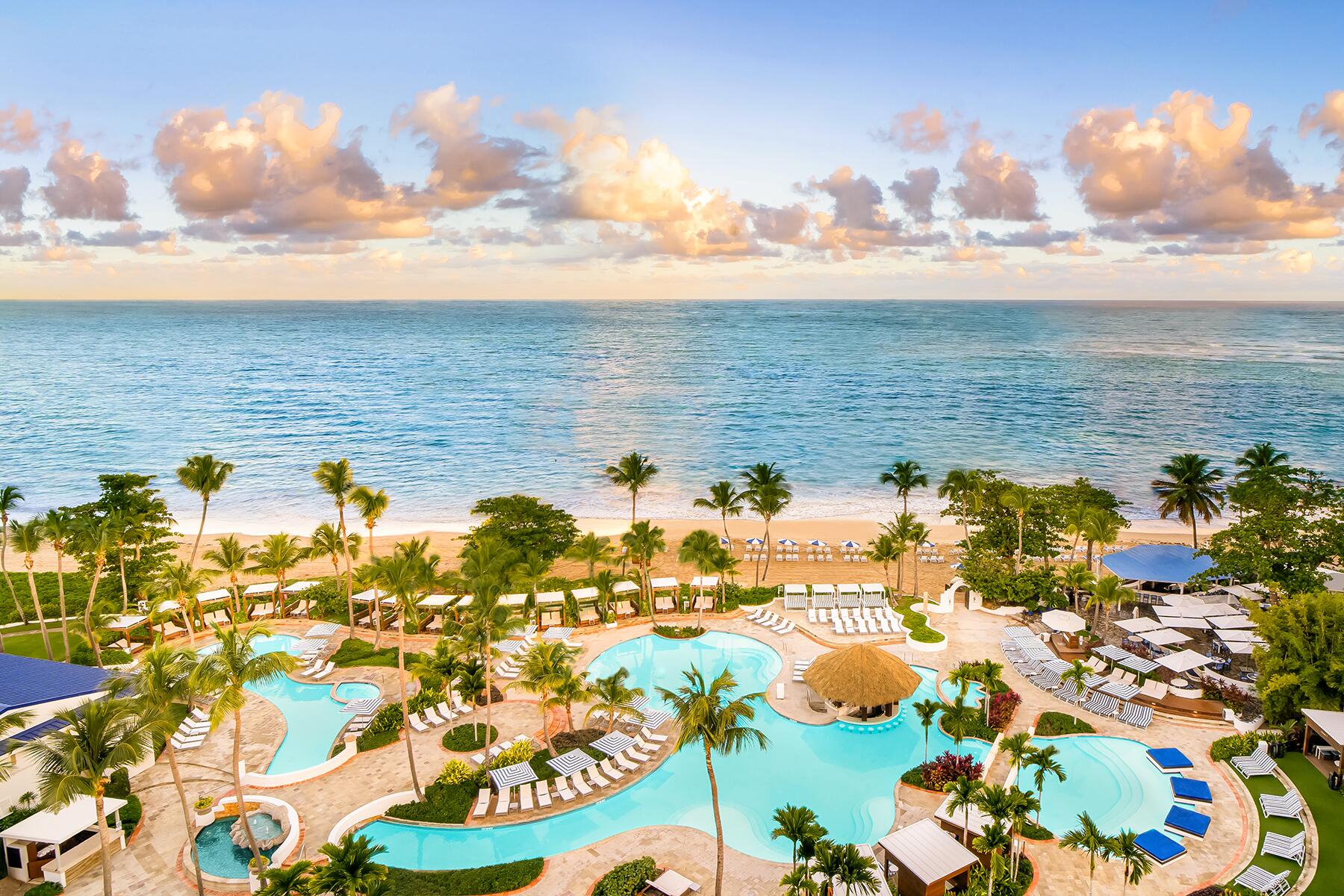
Puerto Rico’s “Spanish Virgin Island” sits 17 miles off the main island’s eastern coast and offers some of the most spectacular beaches in the entire Caribbean—no passport required, since Puerto Rico is a U.S. territory. Flamenco Beach, a horseshoe-shaped crescent of bright white sand, is regularly cited as one of the best beaches in the world. The island is small enough to explore in a day or two, but rewarding enough to justify a longer stay, with excellent snorkeling, a laid-back village atmosphere, and far fewer crowds than the main island.
Getting There: Ferries depart from Ceiba (a roughly 90-minute drive from San Juan) multiple times daily. Flights are also available from San Juan’s Isla Grande Airport on small charter aircraft.
Lodging: Guesthouses and small inns in Dewey, the island’s only town, offer affordable stays. Club Seabourne is a popular mid-range option with a pool and harbor views.
INSIDER TIP: Ferry tickets sell out fast, especially on weekends and holidays. Book in advance through the Puerto Rico Maritime Transportation Authority to avoid being stranded on the mainland.
6. Mackinac Island
Where: Michigan
Mackinac Island sits in the straits between Michigan’s Upper and Lower peninsulas and operates as if the automobile was never invented—motor vehicles have been banned here since 1898. Visitors get around on foot, by bicycle, or by horse-drawn carriage, lending the island a genuinely unhurried pace that’s rare anywhere in the United States. The famous Grand Hotel dominates the bluffs above the harbor with its 660-foot front porch, but the island is full of more affordable options, fudge shops, and 19th-century architecture within a state historic park.
Getting There: Ferry service runs from Mackinaw City and St. Ignace via Shepler’s, Star Line, and Arnold Line. The island is also accessible by small plane.
Lodging: Mission Point Resort offers a more affordable alternative to the Grand Hotel, with a waterfront setting and on-site amenities.
INSIDER TIP: Bike rentals are available at multiple shops near the ferry docks and are the fastest, cheapest way to loop the island’s perimeter road—a flat, scenic eight-mile ride with views of the Mackinac Bridge and Lake Huron.
7. Assateague Island
Where: Maryland and Virginia
Assateague is a 37-mile barrier island split between Maryland and Virginia, best known for its population of wild ponies that roam freely across the dunes and marshes. The island has no permanent residents and no development—just pristine beaches, extensive trails, and two distinct sections managed as national and state parkland. It’s one of the most affordable island destinations on the East Coast, with low entry fees and accessible camping that puts you steps from the surf.
Getting There: The Maryland side is accessible by car via Route 611 from Berlin, MD. The Virginia side (Chincoteague National Wildlife Refuge) is reached via Chincoteague Island.
Lodging: Camping at Assateague Island National Seashore starts at around $30 per night. Chincoteague Island, just across the bridge in Virginia, has a wide range of motels and inns for those preferring a roof overhead.
INSIDER TIP: The wild ponies are a highlight, but keep your distance—they bite and kick. Rangers recommend staying at least 40 feet away at all times.
8. Lanai
Where: Hawaii
Hawaii’s most secluded major island, Lanai is privately owned in large part by Larry Ellison and home to just about 3,000 residents. Two ultra-luxury resorts dominate the lodging scene, but the island’s dramatic landscapes—red-dirt roads, the otherworldly rock formations of the Garden of the Gods, and uncrowded white-sand beaches—are open to all. Day-trippers from Maui can reach Lanai by ferry for a modest fare, making it possible to experience the island’s wild beauty without paying resort prices.
Getting There: Expeditions Ferry runs multiple daily trips between Lahaina, Maui, and Lanai’s Manele Harbor for around $30 each way. Flights are available from Honolulu and Maui on Ohana by Hawaiian.
Lodging: The Four Seasons Lanai and Sensei Lanai are the two resort options on island. For budget travelers, a day trip from Maui is the most affordable way to visit.
INSIDER TIP: Rent a four-wheel-drive vehicle to access the Garden of the Gods and the remote north-shore beaches—standard cars can’t handle the unpaved roads.
9. St. John
Where: U.S. Virgin Islands
The smallest and least developed of the three main U.S. Virgin Islands, St. John is two-thirds protected as Virgin Islands National Park—meaning the vast majority of the island will never be built upon. Trunk Bay, with its underwater snorkeling trail, is one of the most photographed beaches in the Caribbean. The island has no airport, which keeps visitor numbers naturally lower than neighboring St. Thomas, and the short ferry ride from Red Hook adds only a few dollars and minutes to the journey.
Getting There: Ferries run frequently from Red Hook, St. Thomas (about 20 minutes) and from the Charlotte Amalie ferry terminal (about 45 minutes). No flights serve St. John directly.
Lodging: Caneel Bay is the island’s marquee resort, but camping at Cinnamon Bay within the national park offers an affordable and unforgettable alternative starting at modest nightly rates.
INSIDER TIP: The U.S. Virgin Islands are a U.S. territory, so no passport is required for American citizens—but note that USVI does not accept a standard U.S. driver’s license as a boarding document for flights. Bring a passport card or REAL ID-compliant ID.
10. Saipan
Where: Northern Mariana Islands
Yes, Asia. Saipan is the largest island in the Commonwealth of the Northern Mariana Islands, a U.S. territory located in the western Pacific, closer to Japan and the Philippines than to the U.S. mainland. The island offers turquoise lagoons, World War II historical sites of profound significance, and some of the best diving in the Pacific—all without requiring a U.S. passport for American citizens. It remains largely undiscovered by mainland American travelers, keeping prices and crowds well below what you’d find at comparable tropical destinations.
Getting There: United Airlines offers flights from Guam to Saipan’s Francisco C. Ada/Saipan International Airport. Connections from the U.S. mainland typically route through Guam or Tokyo.
Lodging: The Hyatt Regency Saipan sits on a beachfront stretch of Garapan and offers competitive rates compared to similar Pacific resort properties.
INSIDER TIP: Travel between Saipan and the neighboring islands of Tinian and Rota is possible via small inter-island flights, and both islands offer an even more remote experience for travelers willing to venture a little further.
From the Mediterranean atmosphere of Catalina to the remote Pacific shores of Saipan, these ten U.S. islands prove you don’t need a passport—or a large travel budget—to find a genuinely spectacular island escape.