The classic Inca Trail is not the only way to reach Machu Picchu on foot, and for most travelers, it isn’t the best fit either. Three suggested Machu Picchu trek options cover very different levels of altitude, distance, and time: a four-day Salkantay and Inca Trail fusion, a four-day Lares and Inca Trail Express combination, and a two-day Inca Trail Express.
Comparing them side by side makes it easier to pick one that matches your fitness, schedule, and tolerance for cold nights at altitude. Here is what each day actually involves, where you sleep, and when to go.
You can book these three routes with Bamba Travel:
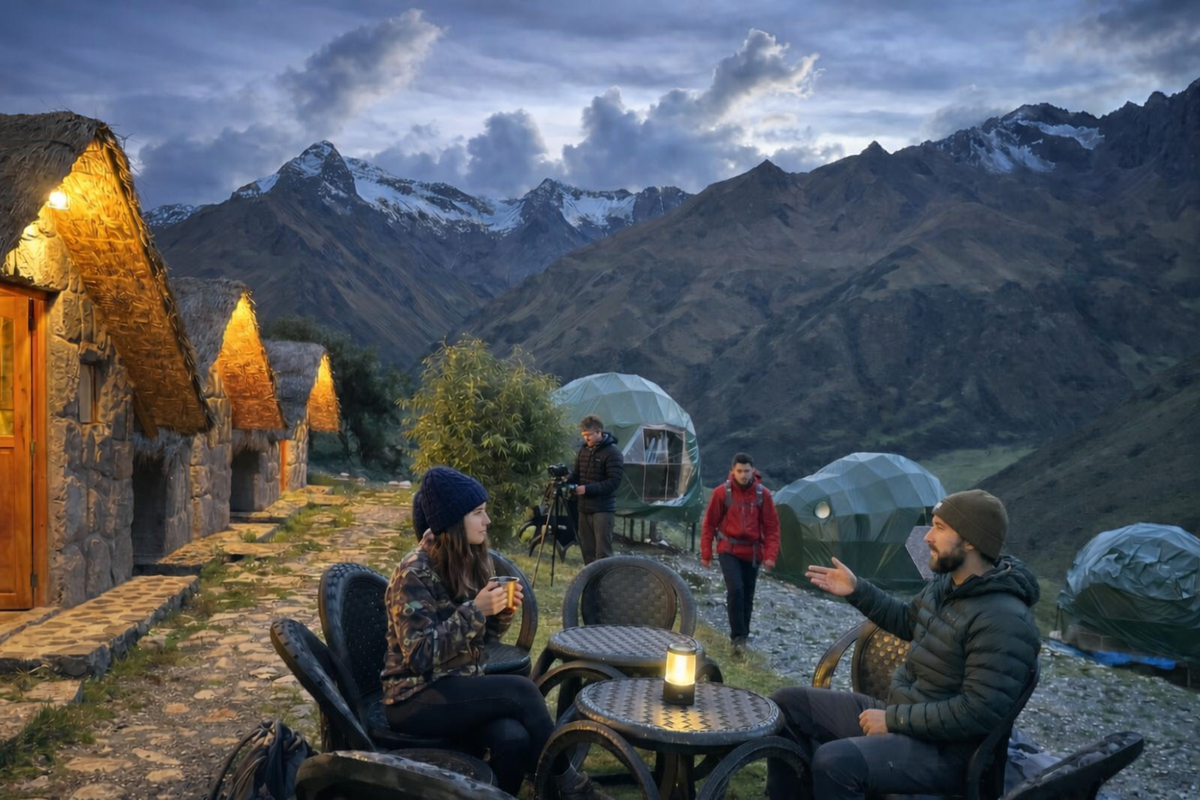
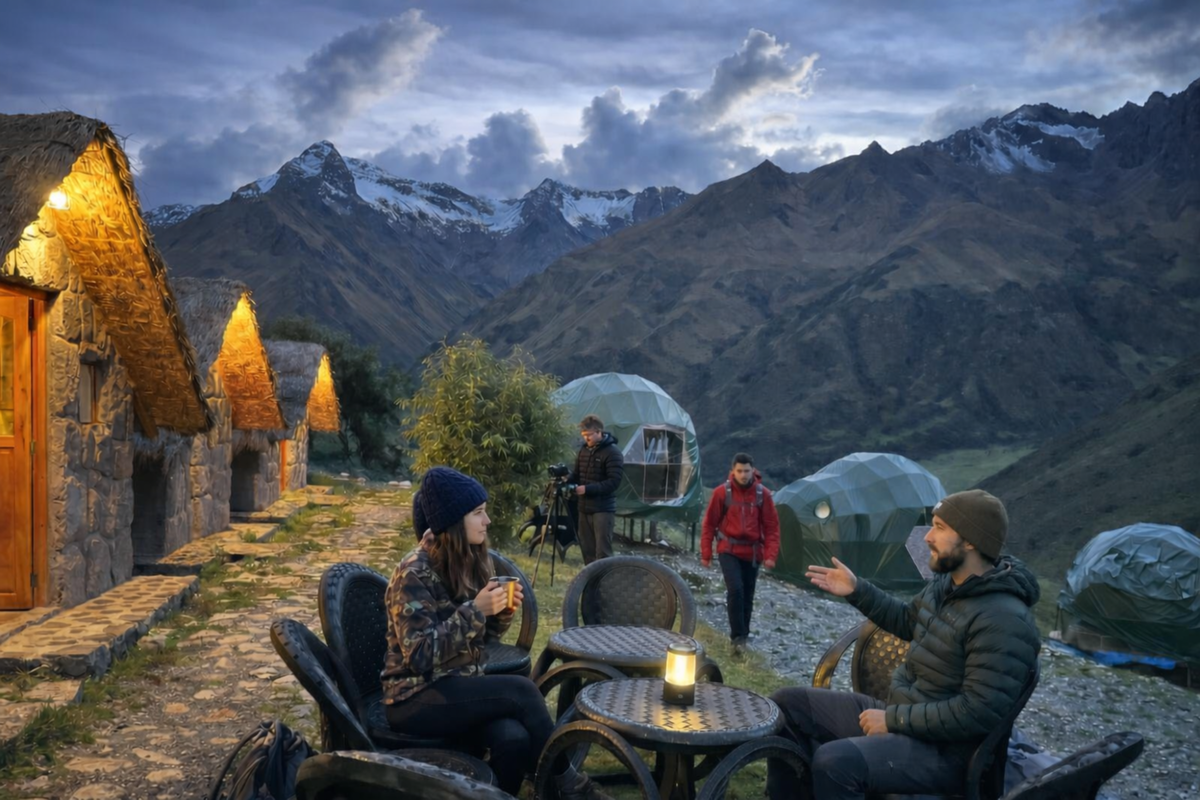
- Salkantay and Inca Trail Fusion (4D/3N) — glamping-dome nights in Soraypampa and a finish through the classic Sun Gate
- Lares and Inca Trail Express Combination (4D/3N) — pairs the Lares highlands and hot springs with the Inca Trail Express approach to Machu Picchu
- Inca Trail Express (2D/1N) — the same Sun Gate finish in two days, with a hotel night in Aguas Calientes
Salkantay and Inca Trail Fusion (4 Days, 3 Nights)
The air changes before the trail does. At 3,900 meters, breath comes shorter and the cold settles in fast. This four-day route pairs the Salkantay mountain range with the final stretch of the classic Inca Trail. It bypasses the busiest sections of the standard route and still finishes through the Sun Gate.
Here is exactly how those four days break down on the trail:
Day 1: Cusco to Soraypampa | Scenic Drive, High Pass, and Mountain Camp
The adventure kicks off with an enchanting day trip out of Cusco, heading straight toward the breathtaking Salkantay Mountain. The trek pushes through the stunning Aobamba mountain range — keep an eye out for high-altitude wildlife along the trail.
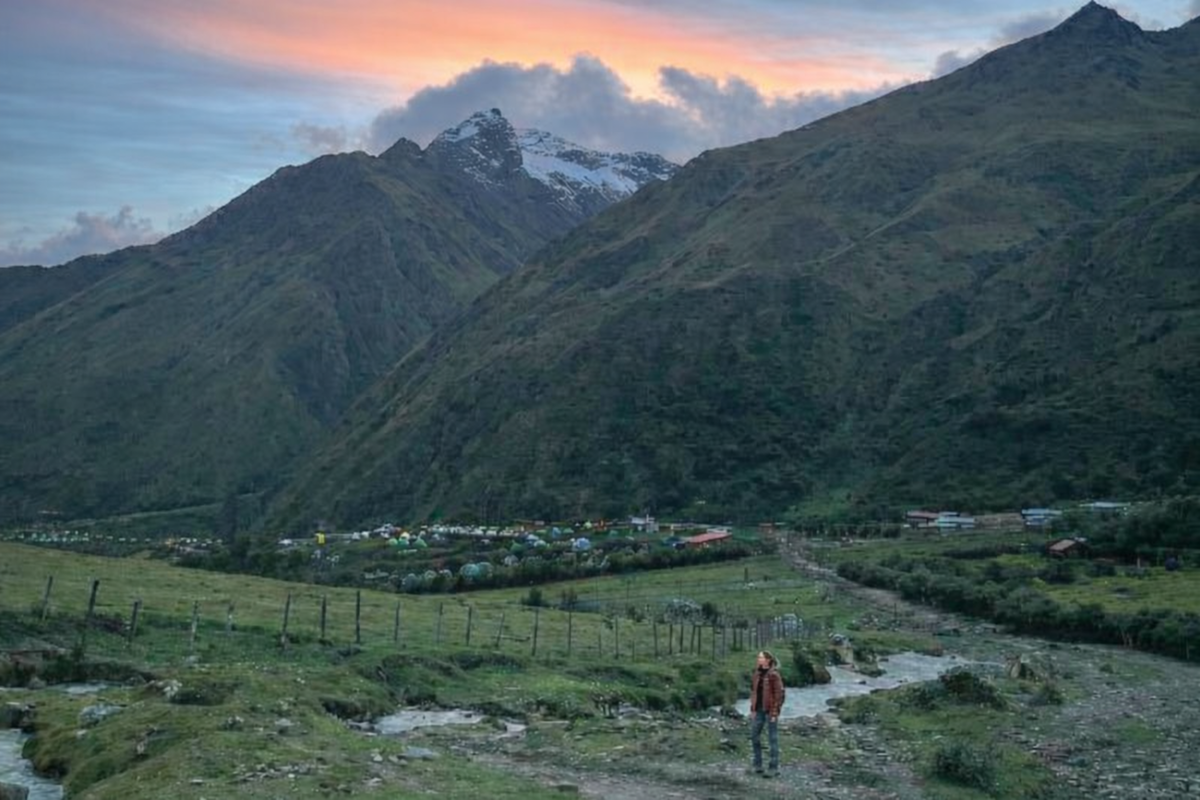
After marveling at the vibrant turquoise waters of the Incachiriasqa Lagoon, the day concludes at 3,900 meters. The night is spent stargazing in the freezing, crystal-clear air at the Inca House Camp in Soraypampa.
Day 2: Soraypampa to Ollantaytambo | Humantay Lagoon, Mountain Trek, and Valley Transfer
The morning starts with a push to the breathtaking Humantay Lagoon to explore its icy, turquoise glacial waters surrounded by jagged peaks.
After the descent, the rugged mountain air is swapped for the thicker atmosphere of the Sacred Valley. A drive to the historic town of Ollantaytambo provides a deep dive into Andean culture, offering a chance to rest burning leg muscles and walk the ancient Inca stone streets.
Day 3: Ollantaytambo to Aguas Calientes | Inca Trail Trek and Sun Gate Arrival
The route transitions to the legendary Inca Trail. Trekking out of Ollantaytambo, the environment shifts from stark rock to lush cloud forest, passing centuries-old archaeological sites along the way.
The anticipation builds until the treeline finally breaks at the Sun Gate. Taking in the panoramic views of Machu Picchu sprawling across the ridge below is a massive payoff. The day ends with a descent into the jungle town of Aguas Calientes for a relaxing overnight stay.
Day 4: Machu Picchu to Cusco | Guided Citadel Tour and Return Transfer
An immersive, guided tour of the iconic Machu Picchu citadel takes up the morning, offering deep insights into Incan history and the architecture of the empire. After absorbing the ancient ruins, the journey back to Cusco completes the four-day circuit.
Lares and Inca Trail Express Combination (4 Days, 3 Nights)
This four-day route trades high mountain passes for the Lares highlands, weaving through Andean communities and hot springs before joining the Inca Trail Express for the final approach to Machu Picchu.
Day 1: Cuzco to Huacawasi | Calca Market, Hot Springs, and Highland Trek
The first day begins with a stop at the Calca market before heading into the Lares highlands. The trek passes through traditional Andean communities and ends at the natural hot springs near Huacawasi, a welcome reward after the day’s climb.
Day 2: Huacawasi to Ollantaytambo | Ipsy Qocha Pass, Lagoon Descent, and Festive Dinner
The toughest hiking of the route comes early on day two. The trail climbs to the Ipsy Qocha Pass before descending past a lagoon toward the Sacred Valley. The day ends in Ollantaytambo with a festive dinner.
Day 3: Ollantaytambo to Aguas Calientes | Royal Inca Trail, Scenic Picnic, and Sun Gate Arrival
From Ollantaytambo, the route picks up the Royal Inca Trail section, passing archaeological sites and pausing for a scenic picnic before the final push to the Sun Gate. The descent into Aguas Calientes follows, with an overnight stay in town.
Day 4: Aguas Calientes to Cuzco | Sunrise at Machu Picchu, Architectural Wonders, and Return Journey
An early start captures sunrise over the citadel before a guided tour covers the most significant architectural features of Machu Picchu. The afternoon train and transfer return trekkers to Cuzco.
Inca Trail Express Trek to Machu Picchu (2 Days, 1 Night)
The shortest of the three options, the Inca Trail Express covers the essential Sun Gate approach in two days with one hotel night in Aguas Calientes. It suits travelers with limited time or those using it as a first multiday trek.
Day 1: Cusco – Aguas Calientes, Peru
The first day travels from Cusco to Aguas Calientes by train, settling into the hotel and preparing for the early start ahead.
Day 2: Aguas Calientes – Machu Picchu – Cusco, Peru
The trek begins before dawn, climbing to the Sun Gate in time for the classic first view of Machu Picchu at sunrise. A guided tour of the citadel follows before the afternoon train returns to Cusco.
Where You Sleep on Each Route
Accommodation varies significantly across the three routes. The Salkantay and Inca Trail Fusion includes a glamping-dome night at Inca House Camp in Soraypampa at 3,900 meters. The Lares combination uses guesthouses in the highlands and a hotel in Ollantaytambo. All three routes finish with at least one hotel night in Aguas Calientes before or after the citadel visit.
Tips for the Trail
- Spend at least two days acclimatizing in Cusco before any of these treks begin
- Layers are essential — temperatures swing sharply between midday sun and night at altitude
- Trekking poles help significantly on steep descents, particularly on the Salkantay and Lares routes
- Altitude medication such as acetazolamide is worth discussing with a doctor before departure
- Pack rain gear regardless of season; weather in the Andes can change within the hour
When Should You Go
The dry season runs from May through October and is the most popular window for all three routes. Skies are clearer, trails are drier, and the Sun Gate view is more reliable. The wet season from November through April brings heavier rain and muddier trails, and the classic Inca Trail closes entirely each February for maintenance. The Salkantay and Lares routes remain open year-round, making them a practical alternative for travelers with February departure dates.
Frequently Asked Questions
What’s the real difference between these three treks to Machu Picchu?
The Salkantay fusion prioritizes dramatic high-altitude mountain scenery and reaches 3,900 meters on day one. The Lares combination focuses more on cultural immersion through Andean communities and hot springs. The Inca Trail Express is the most time-efficient option, covering the iconic Sun Gate approach in just two days.
Can I still hike to Machu Picchu if I’m traveling in February?
Yes, but not on the classic Inca Trail, which closes in February for annual maintenance. The Salkantay and Lares routes operate year-round and both finish through the Sun Gate, so the core Machu Picchu experience remains intact.
How much altitude adjustment do these treks require?
All three routes operate at significant altitude. The Salkantay fusion reaches 3,900 meters on the first night, making acclimatization in Cusco especially important before departure. The Lares route crosses the Ipsy Qocha Pass at a comparable elevation. The Inca Trail Express stays at lower altitude overall but still warrants at least one full day of acclimatization in Cusco beforehand.
Which route is best for someone who has never done a multi-day trek?
The Inca Trail Express is the most accessible entry point, covering less distance and time with a comfortable hotel in Aguas Calientes. The Lares combination is a reasonable step up for those wanting more days on trail without the extreme cold of the Salkantay high camp.
What should I actually pack for the temperature swings?
A warm base layer, insulating mid-layer, and waterproof shell cover the range from freezing overnight camps to warm midday trekking. Moisture-wicking socks, broken-in boots, sunscreen, and a wide-brim hat are equally important. For the Salkantay route specifically, a sleeping bag rated to at least -5°C is recommended for the Soraypampa camp.