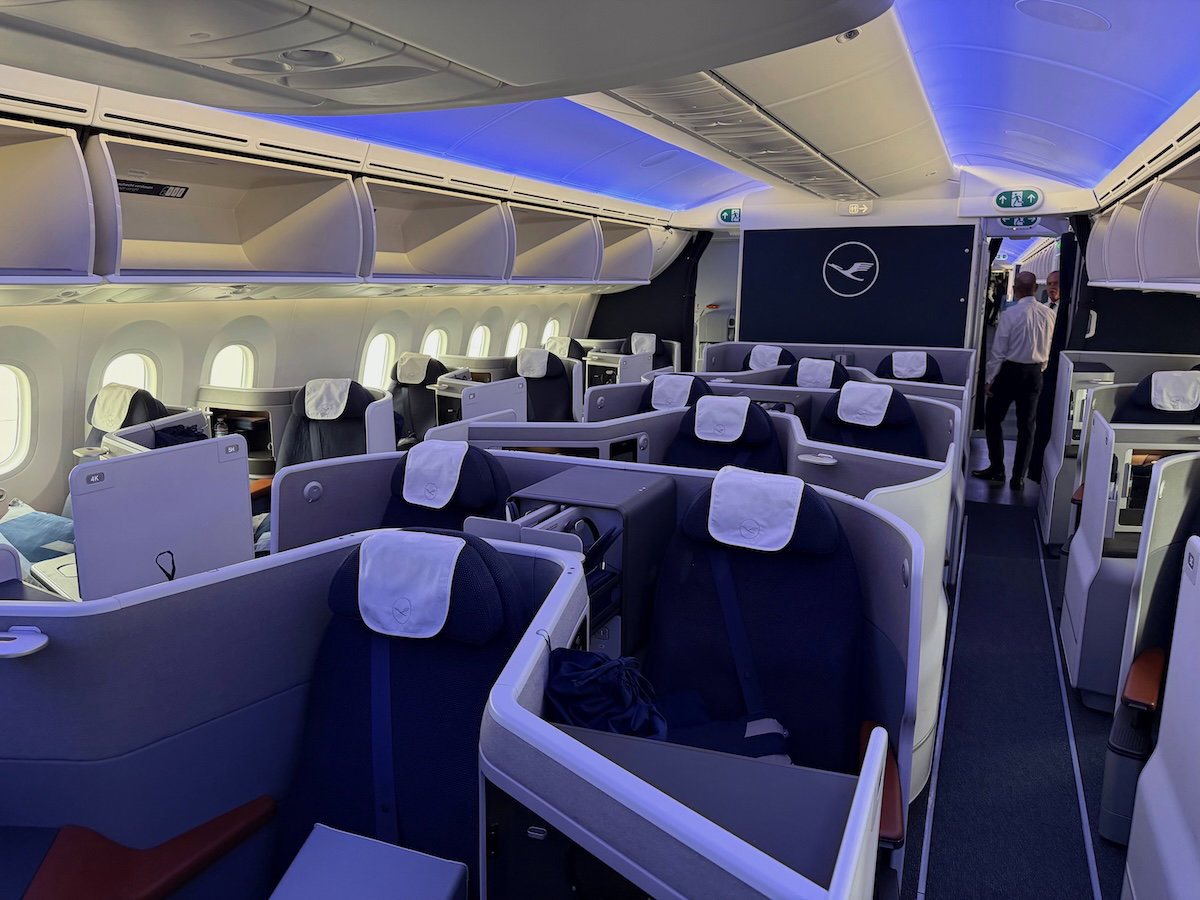
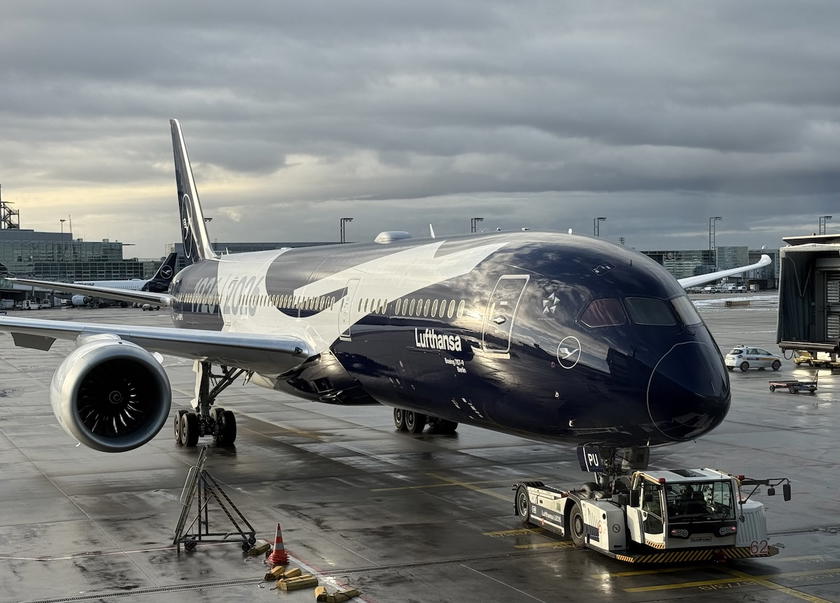
In recent times, Lufthansa has started taking delivery of factory fresh Boeing 787s, featuring the carrier’s all-new Allegris cabins. Management at the airline has reportedly decided that the configuration of these planes isn’t quite right for many routes, so now it’s planning some updates.
That’s a sensible change, but it always just feels like Lufthansa is a step behind when it comes to acting logically and catching onto trends.
Lufthansa 787s Could Get More Business Class Seats
Lufthansa currently has a fleet of 20 Boeing 787-9s. Four of these were acquired secondhand (they were former Hainan Airlines jets), while 16 are brand new and feature Allegris interiors. Not only that, but Lufthansa has at least another 22 of these planes on order, which will be delivered in the coming years.
In the long run, the Dreamliner is supposed to be the carrier’s primary long haul aircraft based in Frankfurt, complementing the Boeing 747-8s and Boeing 777-9s. Meanwhile Munich (MUC) is primarily getting Airbus A350s (including the A350-900 and A350-1000).
Lufthansa’s 787s are configured with 287 seats, including 28 business class seats, 28 premium economy seats, and 231 economy seats. Keep in mind that three of those seats aren’t even certified yet (but should be certified before the end of 2026), so actual business class capacity is currently just 25 seats.
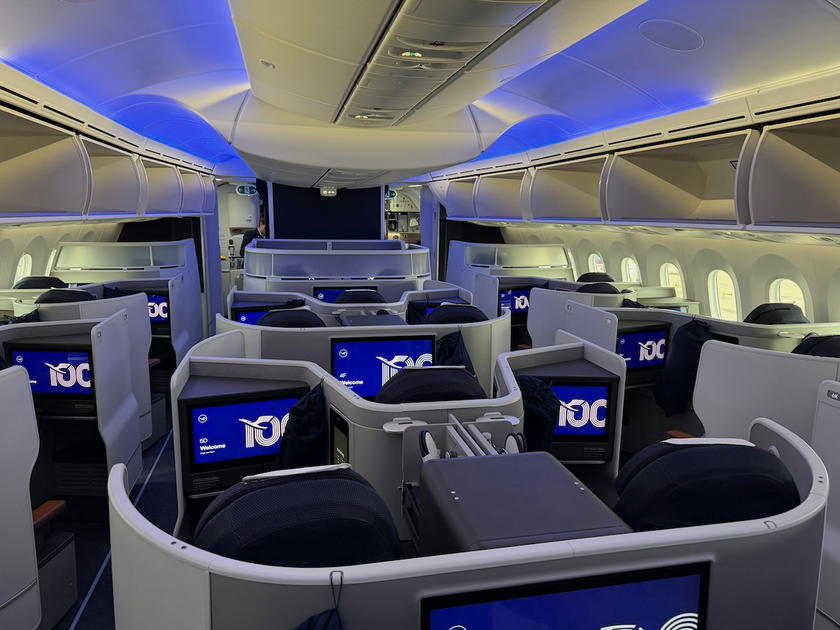
Even with all seats certified, Lufthansa Group management has decided that the capacity doesn’t actually match demand on many routes, with CEO Carsten Spohr indicating that the airline is working on installing more business class and premium economy seats on upcoming Dreamliners. Nothing has been finalized yet, as this is still in negotiations with suppliers, but the consensus is that the current configuration doesn’t offer enough premium seats.
Given the eventual size of Lufthansa’s Dreamliner fleet, it would also be reasonable to think the airline may have two configurations in the long run, to reflect the demand of different destinations. For example, the potential customer demand profile would likely differ between New York (JFK) and Columbus (CMH), both of which are going to be Dreamliner routes in the coming months.
Lufthansa Seems to Be One Step Behind the Competition
For how long have we been talking about the surge in premium travel demand? American is taking delivery of 787-9s with 51 business class seats, United is taking delivery of 787-9s with 64 business class seats, and British Airways is reconfiguring 787-9s with eight first class seats and 38 business class seats.
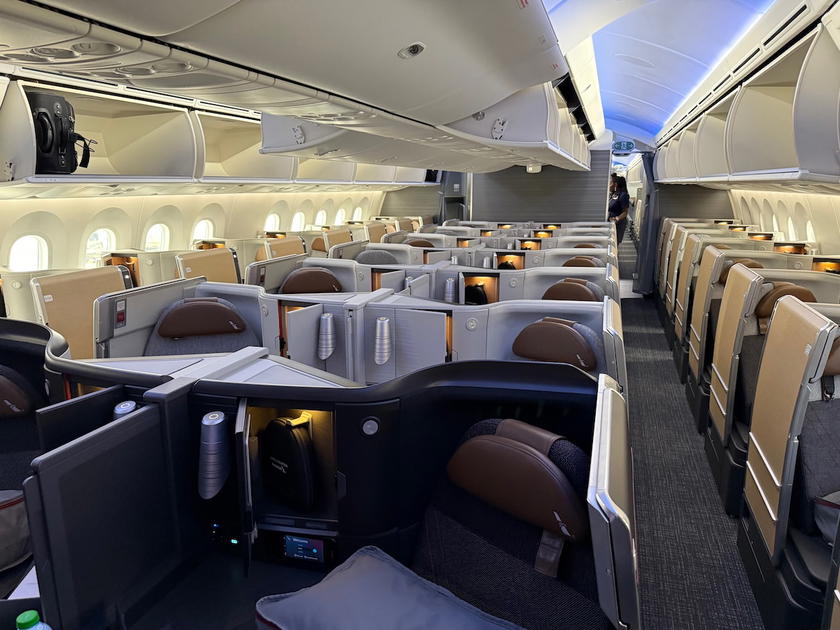
So Lufthansa taking delivery of dozens of factory fresh 787s with just 28 business class seats seems a little off, especially since the airline only recently started adding these planes to its fleet.
Demand does differ between markets, and the 787 is actually supposed to be the less premium plane in the fleet in the long run (with the Boeing 747s and 777Xs being the most premium Frankfurt-based planes), but 28 seats doesn’t seem like a lot by any metric. The Airbus A330s that are slowly being retired have 42 business class seats, and that’s an overall smaller plane.
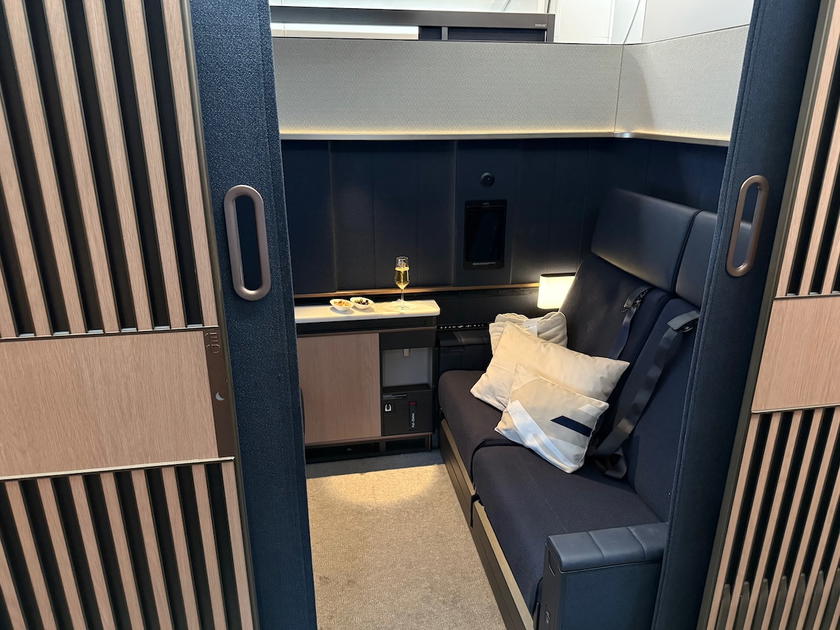
The whole Lufthansa Allegris and SWISS Senses situation is also just somewhat messy, from the 3.5-seat first class cabin that makes no sense, to the need to install a weight on SWISS A330s to balance out the weight of first class, to the new Allegris seats delaying entry into service for planes by years, despite the product not actually being that cutting edge at this point.
Bottom Line
Lufthansa Group CEO Carsten Spohr has indicated that the airline is considering a new configuration for many upcoming Boeing 787s. Management has decided that 28 business class seats and 28 premium economy seats isn’t sufficient — a rather obvious conclusion when you look at industry trends. These Dreamliners are partly replacing planes that had 50% more business class seats. It will be worth watching what configuration Lufthansa eventually settles on, as the decision will directly shape premium seat availability and pricing on these routes for years to come.