Seoul does not ease you in. It is a city of vertical distances, constant motion, and neighborhoods that feel like separate worlds — ancient palaces one block, glass towers the next, traditional markets tucked between both. For families, that intensity is both the appeal and the challenge. The moments that stay with you are rarely the famous landmarks. They are the ones that happen when you are not exhausted from getting there.
A Seoul family trip works best when the logistics stop competing with the experience. The city rewards curiosity, but it asks something in return: enough energy left at midday to follow an unexpected alley, to linger at a market stall, to let a six-year-old dictate the next hour.
This guide is built around that idea — how families actually move through Seoul, and what makes the difference between a trip that wears you down and one that opens the city up.
The Moment Everything Shifts
I remember watching a multi-generational family — grandparents, parents, and a six-year-old — step out of Incheon Airport into a waiting van. Their faces carried that familiar mix of jet lag and polite apprehension. As they settled in, their shoulders dropped for the first time since landing.
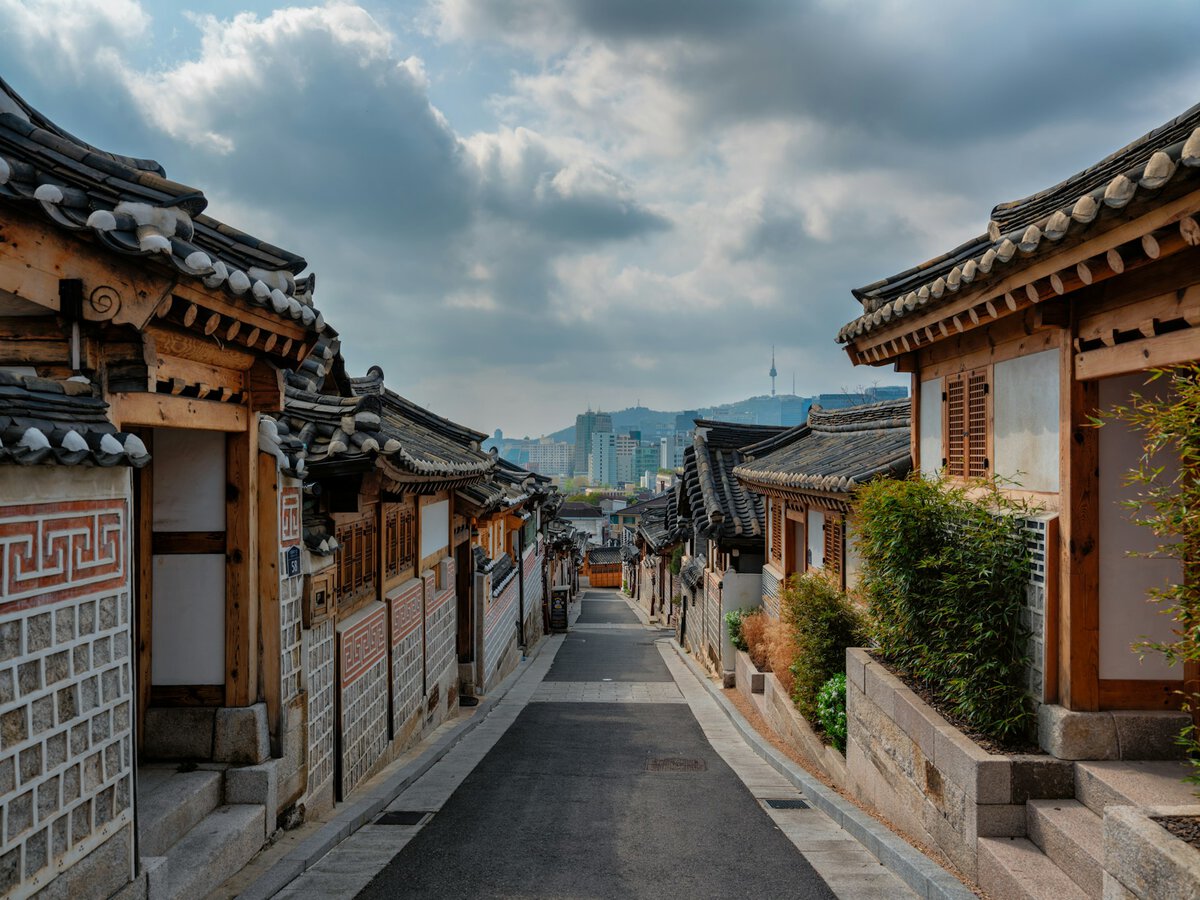
The real turning point came three hours later. Instead of joining the lunch crowds at a tourist restaurant, their guide suggested a hanok teahouse in Bukchon that accommodated both the grandfather’s dietary needs and the child’s restless energy. The parents exchanged a look of relief. That is the kind of local knowledge that changes the texture of a trip.
This connects to jeong (情) — the Korean concept of deep, warm connection. Good local guides treat guests less like clients than like friends visiting their hometown for the first time.

Seoul’s Physical Reality
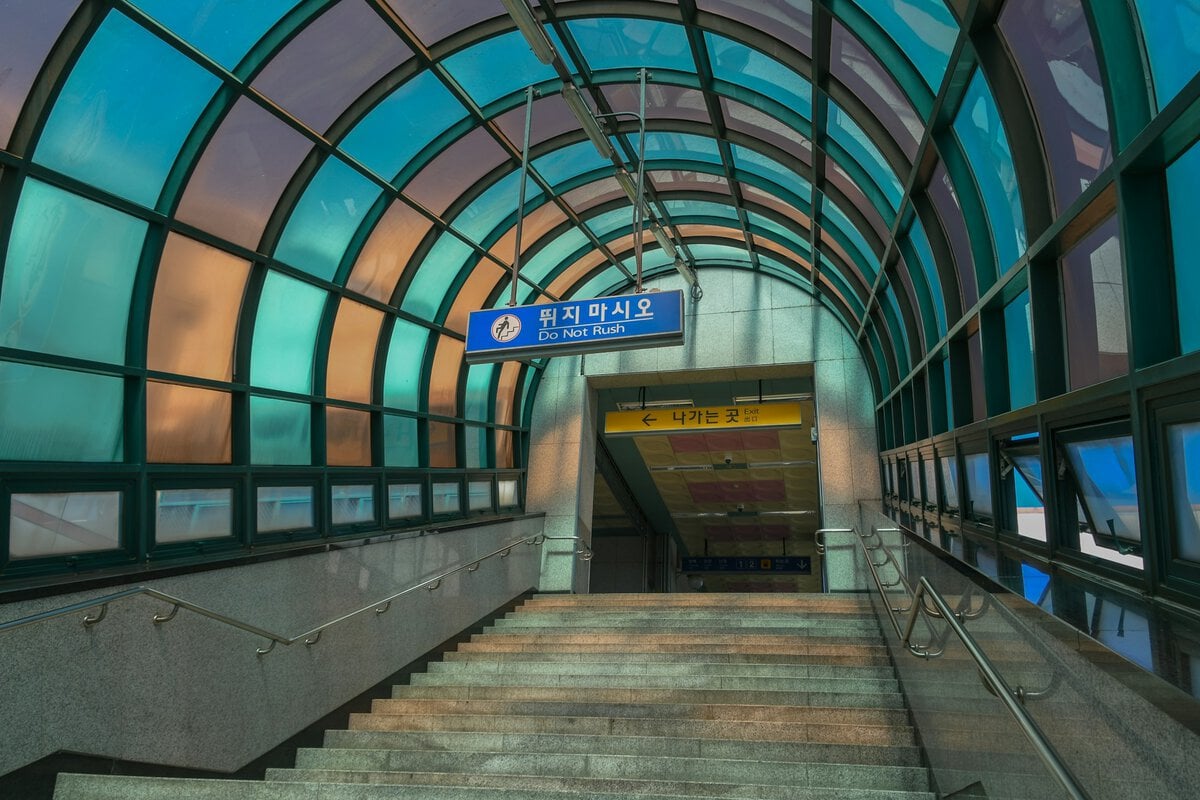
Travel blogs love claiming Seoul is “easily walkable” and “cheap to explore by subway.” This advice ignores Seoul’s brutal reality: endless subway stairs, massive transfer distances underground, steep hills threading through historic neighborhoods, and crowds that can overwhelm by midday.
What most travelers don’t realize is that Seoul’s subway system, while excellent, demands serious physical stamina. Gyeongbokgung Palace alone covers 15 hectares with significant walking. Add the slopes of Bukchon Hanok Village, the sprawling layout of traditional markets, and the distances between districts, and you’re looking at miles of walking — often uphill.
Private transport — whether a hired driver, a rental car, or a guided vehicle — removes a layer of fatigue that can otherwise define the middle of the day.
Reading the City’s Rhythm
Every Seoul day unfolds differently. Skilled guides practice nunchi (눈치) — reading a room, or in this case a group, without being told what is needed. When a child gets restless during a palace visit, the response is a pivot to an interactive craft workshop. When older travelers need a quiet interval, certain temple gardens offer that without detouring far.
This kind of flexibility also applies to the city’s live rhythm. An unannounced street festival in Hongdae, perfect sunset timing at Banpo Bridge, a market vendor offering fresh samples of Korean street pancakes — these are the moments that reward groups who are not locked into a rigid schedule.
Where Seoul Reveals Itself
The contrasts in Seoul are sharp and they are the point. Stepping from a quiet side street into the warm, savory noise of Gwangjang Market. Moving from modern Gangnam’s glass towers directly into the 600-year-old courtyards of Changdeokgung Palace, where pine-scented air carries a different sense of time.
You can only appreciate those contrasts when you are not worn out from getting there. The discoveries that tend to stick — a family-run restaurant where three generations cook together, a rooftop garden overlooking the Han River, an artisan workshop in Insadong that is not on the standard circuit — are not far from the main attractions. They just require a guide who knows which corner to turn.
The Seoul Nobody Photographs
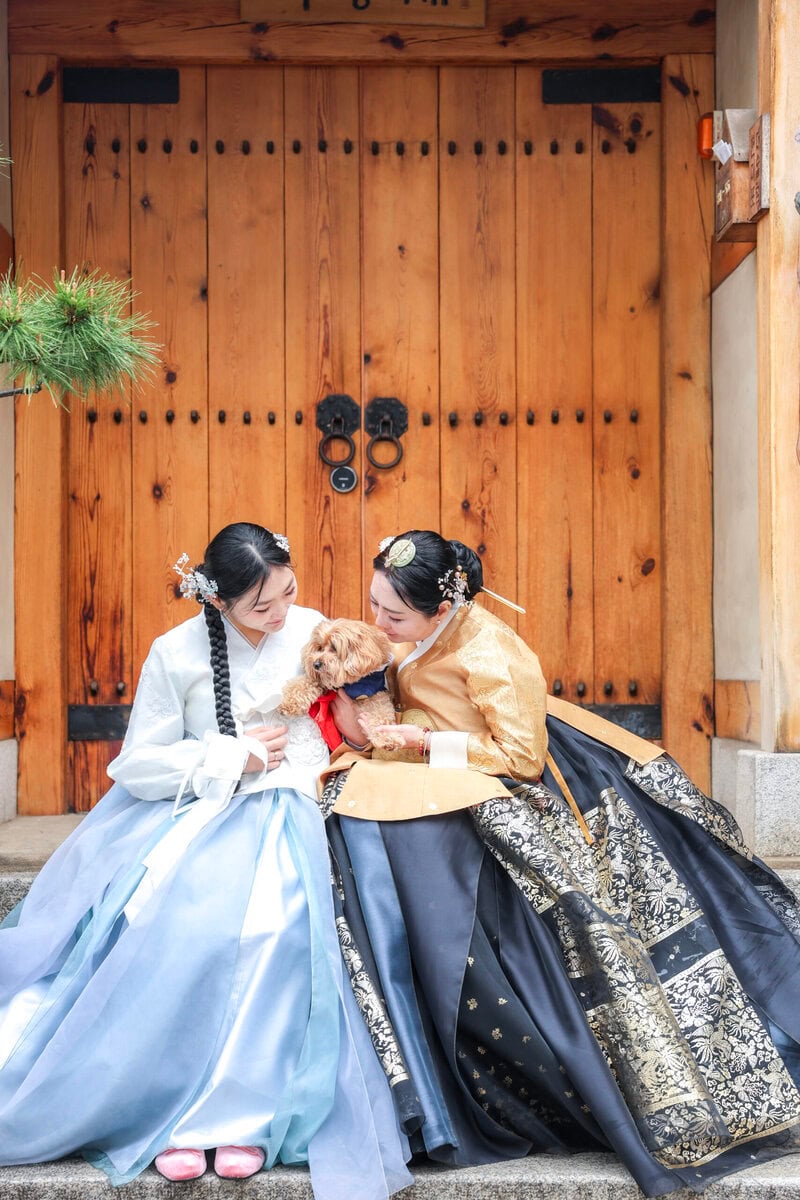
Beyond the well-documented spots, Seoul has a quieter register. Neighborhood markets where vendors have worked the same stalls for decades. Bukchon’s less-visited alleys, away from tour group traffic, where you can hear wooden doors sliding and neighbors talking on hanok stoops. Temple gardens that welcome children and explain etiquette without condescension.
A guide who speaks Korean fluently and has actual relationships with market vendors and local families can unlock this side of the city — the one that rarely appears in travel photographs but tends to be what families remember most.
The Energy of True Freedom
The practical case for managing logistics carefully is simple: energy is a finite resource on any family trip. Every hour spent navigating subway transfers, deciphering signage, or waiting in the wrong line is an hour that cannot be spent somewhere more rewarding.
Seoul is generous to families who arrive with enough in reserve to be spontaneous. The city’s best moments — a child learning to fold hanji paper in a centuries-old workshop, grandparents sharing makgeolli with a market vendor, an unexpected rooftop view that no guidebook mentioned — require only that you are present and unhurried enough to notice them.
The Practicalities of Moving Around on a Seoul Family Trip
Getting the logistics right does not require a large budget — it requires intentional choices. A few practical considerations for families:
- Transportation costs vary widely. The subway is inexpensive (single fares typically under 2,000 KRW / roughly $1.50 USD), but the physical demands are real. Taxis are affordable by Western standards and widely available. Private vehicle hire or guided tours cost more but can eliminate the cumulative fatigue that derails multi-day trips.
- Accommodation location matters as much as price. Staying near a major subway hub in central Seoul — Jongno, Myeongdong, or Hongdae — reduces daily transport costs and keeps key attractions within manageable distance.
- Food costs are low if you eat where locals eat. A family meal at a neighborhood restaurant or market stall typically costs a fraction of tourist-facing venues. Gwangjang Market and local gimbap shops are reliable, affordable options that also happen to be memorable.
- Entry fees for major palaces are modest. Gyeongbokgung Palace charges 3,000 KRW (about $2.25) for adults; children under 24 months enter free. A combination ticket covering multiple palaces offers further savings.
Planning around these factors — rather than defaulting to convenience at every turn — is what keeps a Seoul family trip both manageable and affordable.
Frequently Asked Questions
How does private van touring compare to Seoul’s subway for families?
The subway is cost-effective and covers the city extensively, but it involves significant walking, stair climbing, and crowded platforms that can exhaust families — particularly those traveling with young children or older members. Private van touring costs more upfront but consolidates transit time, eliminates physical strain between sites, and allows real-time itinerary adjustments that public transport cannot offer.
Can you genuinely customize a private tour, or does it follow a set route?
Reputable private tour operators build the itinerary around the group’s specific interests and adjust it on the day based on energy levels, weather, and unexpected opportunities. This is meaningfully different from a fixed group tour, where the schedule is predetermined regardless of how the group is feeling.
What is the best time of year to visit Seoul with a family?
Spring (late March to early May) and autumn (September to November) offer the most comfortable temperatures and the city’s most photogenic scenery — cherry blossoms in spring, foliage in autumn. Both seasons are popular, so accommodation prices tend to be higher. Summer brings heat and humidity alongside school holiday crowds. Winter is cold but quieter, and palace visits are far less congested.
Is Seoul suitable for families with very young children?
Seoul is generally manageable for families with toddlers and infants, though the subway’s stair-heavy infrastructure can make stroller navigation challenging. Many attractions are pram-accessible at street level, and Koreans are typically welcoming toward young children in public spaces, including restaurants. Families with very young children often find private transport significantly reduces daily stress.
How do families handle dietary restrictions or food allergies in Seoul?
Korean cuisine relies heavily on fermented ingredients, sesame, and shellfish-based broths that are not always obvious from a menu. Vegetarian and vegan options exist but require navigation. A local guide with restaurant relationships can confirm ingredients in advance, identify suitable options at markets, and communicate restrictions clearly in Korean — which makes a practical difference in a city where English menus are not universal outside tourist areas.
Seoul rewards families who plan thoughtfully, spend strategically, and leave room for the city to surprise them. The cost of getting logistics wrong is not just money — it is the energy that could have been spent discovering the parts of Seoul that no itinerary can fully anticipate.