
Air travel has brought the world closer. But there’s no denying that flying is one of the most stressful parts of any vacation — baggage restrictions, ancillary fees, immigration and security, crowds, expensive food, flight anxiety, and boredom. Add a layover to the mix, and you add another variable that may not be under your control. If you’re flying internationally, choose the right layover destination based on the weather, how much time you have to make the connection, and the season you’re traveling. These airports don’t have the best reputation when it comes to connecting flights, so be wary.
Hartsfield–Jackson Atlanta International Airport
Where: Georgia
The Atlanta airport is the world’s busiest airport, serving over 100 million passengers a year. With so many pieces in the puzzle, it’s not surprising that the airport faces cancellations and delays. What makes it worse is that the region is known for bad weather, with both summer storms and winter snowstorms. If you can avoid Atlanta when bad weather is forecast, try your luck by connecting elsewhere.
Chicago O’Hare International Airport
Where: Illinois
Another airport plagued by cancellations because of brutal weather — it’s the Windy City, after all. O’Hare is also a huge airport with four terminals and 215 gates. Terminal 5 isn’t connected to the other terminals, so you need to take a bus or train to get between it and the rest. Train travelers will need to go through security again, but the bus is airside, past security.
Dallas Fort Worth International Airport
Where: Texas
Travelers find DFW stressful. The airport has a high cancellation and delay rate among its peers and has long queues for security and immigration. One thing that is frequently criticized is its layout with an unsequenced terminal order.
Despite that, frequent travelers have found a way to navigate the Skylink Train, and if you know where you’re going, you can make it in time for your next flight. Dallas Fort Worth is the hub of American Airlines, so it’s an important airport many will inevitably have to fly through. If you have a short layover, make sure you understand where the terminals are beforehand — download the app or familiarize yourself with the map — and double-check your gate number, as it may change.
John F. Kennedy International Airport
Where: New York
JFK is one of the busiest international gateways in the United States, and its size and complexity make it a challenging connection point. The airport spans multiple terminals operated by different airlines, and getting between them can require taking the AirTrain, which adds time and complexity to any tight layover. Delays are common, driven by heavy air traffic and weather. If you have the option of connecting through a less congested East Coast airport, it may be worth considering.
Charles de Gaulle Airport
Where: Paris, France
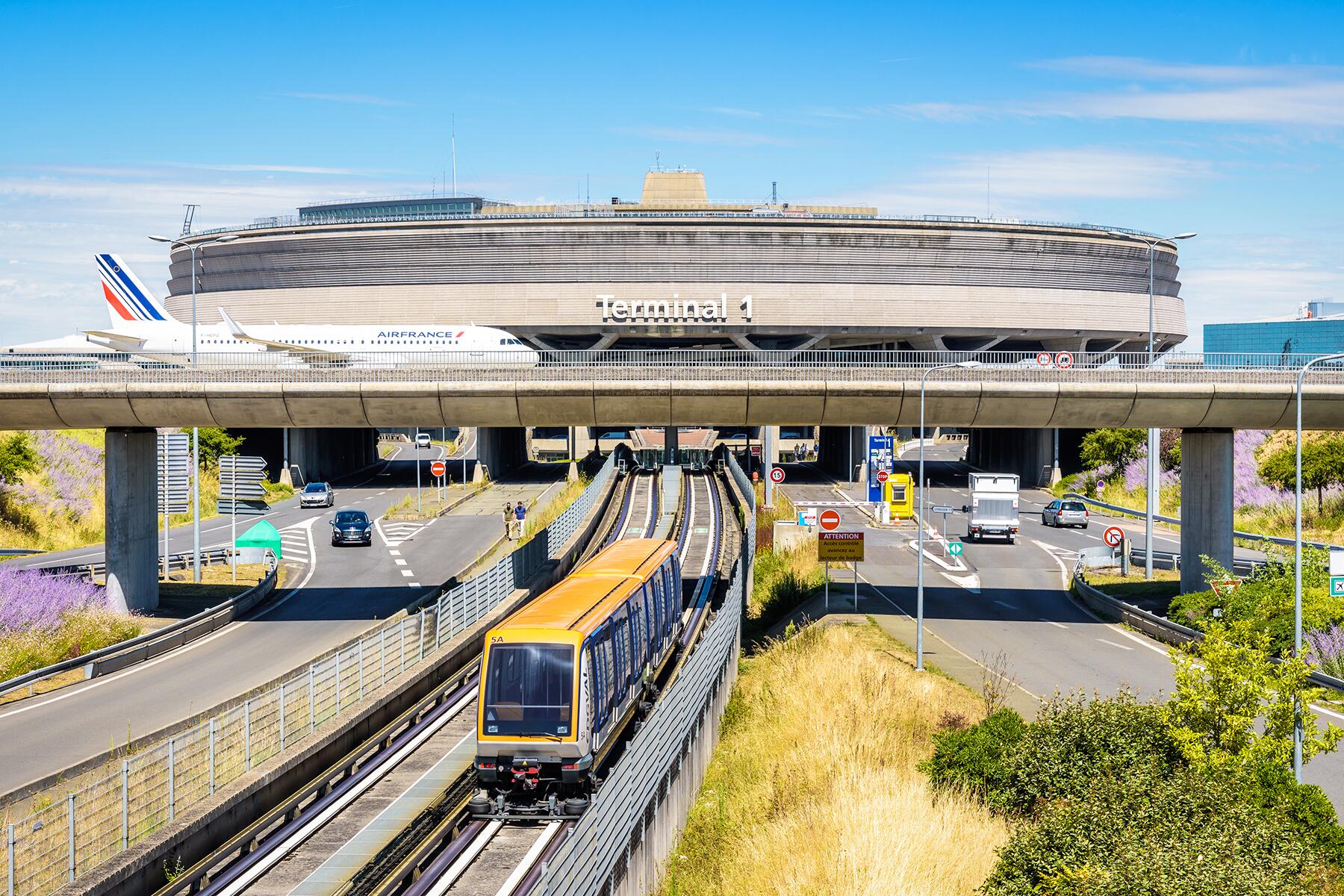
CDG is a major European hub and a frequent connection point for transatlantic travelers, but it has a reputation for long immigration lines, confusing terminal layouts, and tight connection times. The airport’s multiple terminals are spread across a wide area, and moving between them can take longer than expected. Missed connections are a genuine risk here, especially during peak travel periods.
London Heathrow Airport
Where: London, England
Heathrow is one of the world’s most heavily trafficked airports, and that volume comes with consequences. Delays, crowded terminals, and long queues at immigration and security are common complaints. Connecting between terminals requires a transfer bus or the dedicated Heathrow Express tunnel train, which adds transit time. Budget extra time if you have a connection at Heathrow, and be prepared for a brisk walk once you reach your terminal.
Mexico City International Airport
Where: Mexico City, Mexico
Mexico City’s Benito Juárez International Airport handles an enormous number of passengers relative to its infrastructure, resulting in frequent congestion. Security and immigration lines can be lengthy, and the airport has a history of delays. For travelers connecting onward through Mexico City, giving yourself a generous layover window is strongly advised.
Los Angeles International Airport
Where: California
LAX is notorious for traffic, both on the ground and in the air. The terminal layout requires passengers connecting between airlines to exit the secure area, take a shuttle between terminals, and clear security again — a process that can eat up a surprising amount of time. Construction and ongoing renovations have added further disruption. As with DFW, knowing your terminal layout in advance and monitoring your gate for changes is essential for a smooth connection at LAX.
When booking connecting flights, always factor in not just layover duration but also the specific airport’s layout, weather patterns, and historical on-time performance. A longer layover at a complicated airport is often a safer bet than a tight connection at one of the world’s busiest hubs.