Airfare in the United States has increased by an average of around 30% over five months, with a major driver being the sharp rise in jet fuel costs due to the ongoing conflict with Iran. However, airlines are now using this moment as an opportunity to lock in permanent fare increases — and Delta executives have directly acknowledged that strategy.
Delta CEO Admits Fares Will Stay High Regardless of Fuel Costs
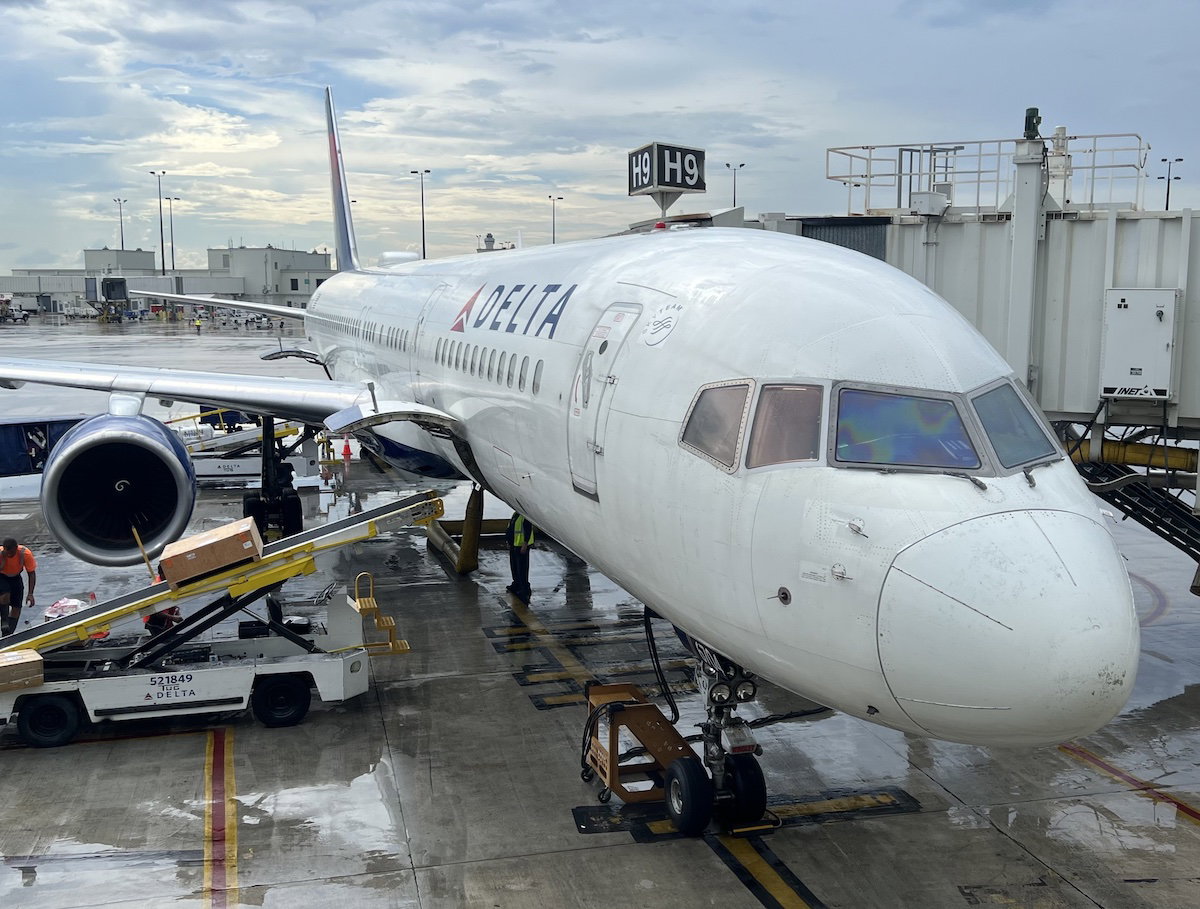
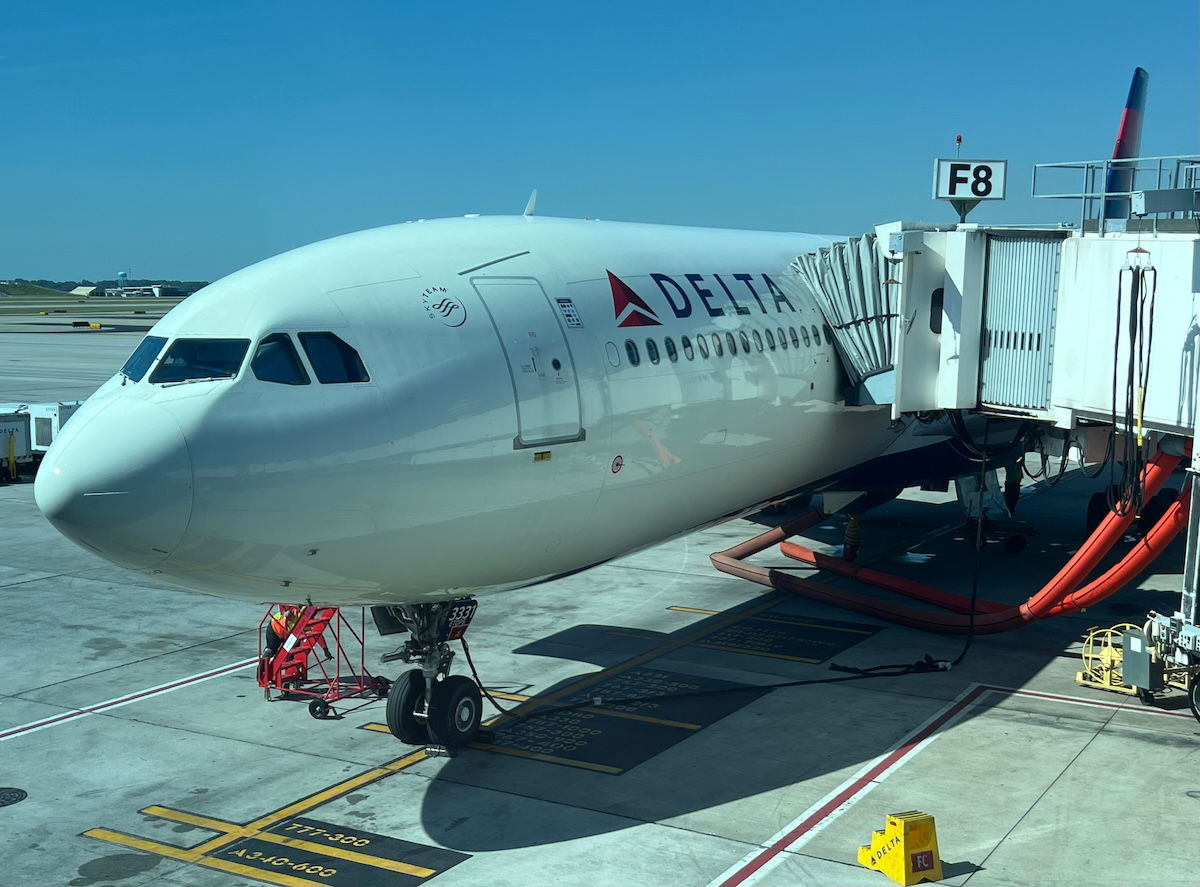
Delta is the most profitable airline in the United States and is typically the first carrier to release its earnings results. The airline has announced its Q2 2026 financial results, and the numbers are strong despite significant headwinds.
Compared to the same quarter last year, revenue grew by 14% while capacity increased by only 1%. Seeing year-over-year double-digit revenue growth in this industry — especially when it isn’t driven by expansion — is notable. That breaks down to a 17% increase in premium revenue and an 8% increase in economy revenue. Economy revenue growth has been a struggle recently, making the latter figure a clear sign that airlines have managed to sustain fare increases even among more price-sensitive travelers.
What stands out most, however, is what Delta CEO Ed Bastian said during the earnings call. He described increased fuel costs as having “proven to be the most powerful catalyst for change in our industry” — and he meant that positively.
Bastian pointed out that most US airlines “were already struggling to earn their cost of capital against a backdrop where industry airfares have meaningfully trailed inflation, costs have reset higher, and consumer preferences have evolved.” He went on to say that “structural change has accelerated, enabling the industry to recapture this year’s fuel cost inflation at the fastest pace of any recent cycle,” and that “we believe current revenue momentum should remain sustainable even if fuel prices moderate.” He framed this as “an important step towards improving the industry’s financial health and earning sustainable returns over time.”
Are Airlines Being Overly Optimistic With Higher Fares?
Bastian’s comments weren’t entirely surprising. Back in early April, he suggested that fares may not decrease even if oil prices drop, and now there is actual performance data to support how that outlook has played out. This also matches the narrative from United Airlines executives, who have made similar claims.
Airlines are being truthful about their intentions here. The more questionable moment came when Bastian previously suggested that fares would only come down once the air traffic control system is fixed.
Here is the reality of the situation:
- Airfare pricing is not based on the cost of providing a seat — it is based on supply and demand and maximizing incremental revenue. Demand is driven by macroeconomic factors, while supply can be managed by cutting flights.
- Several major US airlines have not turned a profit in years, as airline profitability is increasingly tied to credit card revenue, which puts smaller carriers at a significant disadvantage.
- Bastian frames higher fares as almost altruistic — good for the whole industry — but in practice, his goal is to make Delta, which already has healthy margins, even more profitable.
What is also notable is that US airline capacity hasn’t actually decreased much. It appears as though carriers have an informal, unspoken understanding to keep fares elevated. Whether or not anything improper is occurring, the dynamic is hard to ignore.
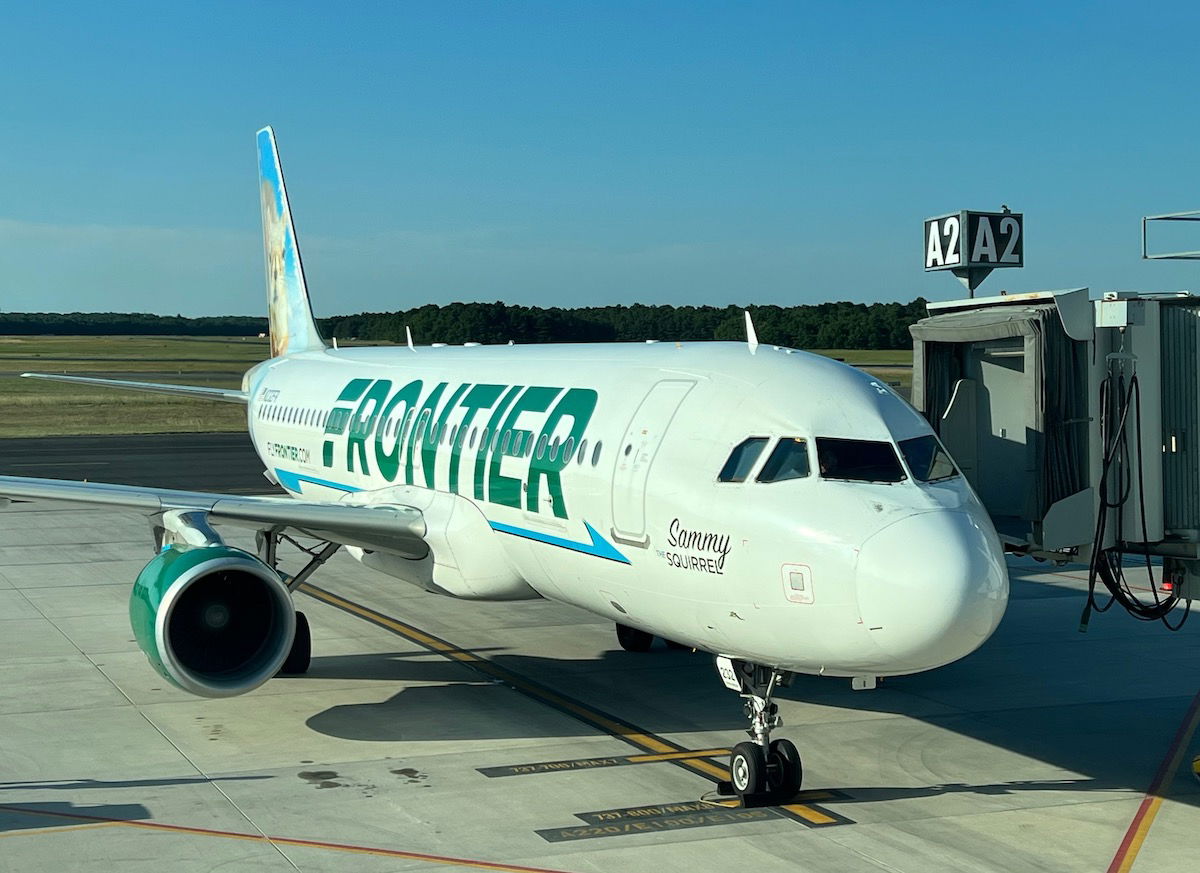
At some point, however, something has to give. Fares typically come down when airlines with unsold seats start undercutting competitors, forcing others to match lower prices. For carriers like Frontier, the motivation isn’t necessarily profitability — it’s reducing losses. If budget airlines consistently undercut the majors, the current fare increases may not hold.
It is worth acknowledging that running an airline is genuinely expensive, and fare increases aren’t always unreasonable. Many travelers underestimate those costs — though that doesn’t make sustained, fuel-justified price hikes any easier to absorb.
Bottom Line
Delta’s Q2 2026 results showed a 14% revenue increase, driven largely by higher fares. While those increases have been justified by rising jet fuel costs, it is the long-term message to investors that carries the biggest implications for travelers: Delta CEO Ed Bastian has made clear that elevated fares are expected to remain even if fuel prices come back down.
This is a position echoed across the airline industry. Whether airlines can actually hold the line on pricing — or whether budget carriers eventually force fares back down — remains to be seen.
What do you make of Bastian’s comments about the long-term outlook for airline ticket prices?